When BTC and ETH Trade Like Macro Assets: Why Fast Cross-Asset Swaps Matter in Oil-Driven Risk-Off Markets
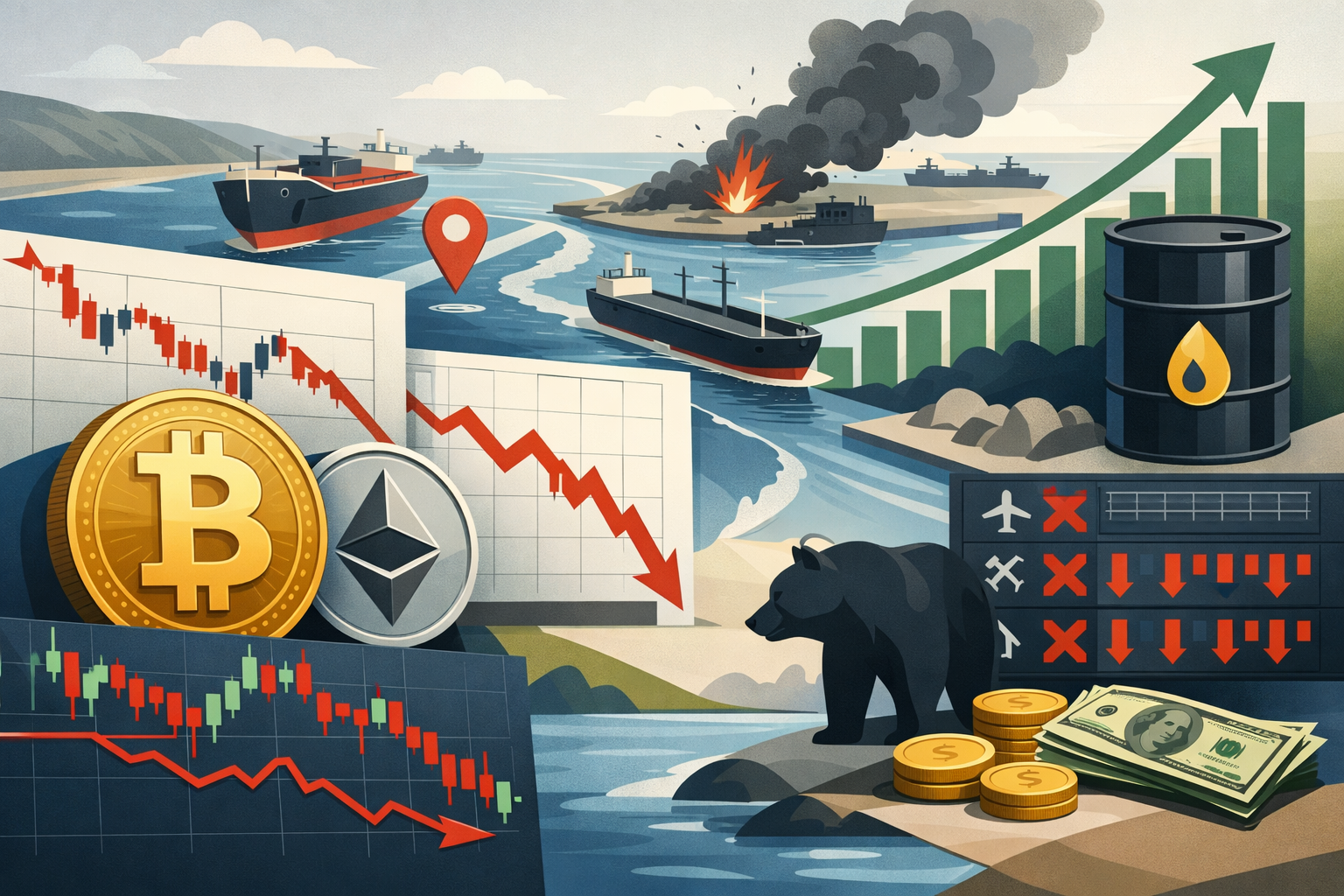
BTC and ETH do not always trade on crypto-native catalysts. When oil spikes and macro risk returns, traders often need faster ways to rotate between majors, stablecoins, and chains without adding extra execution drag.
When BTC and ETH Trade Like Macro Assets: Why Fast Cross-Asset Swaps Matter in Oil-Driven Risk-Off Markets
For a lot of crypto traders, Bitcoin and Ethereum still feel like separate narratives. Bitcoin is supposed to be the macro bellwether. Ethereum is supposed to trade more on ecosystem growth, ETF expectations, layer-2 traction, and application demand.
But over the last two days on X, the market tone shifted again. The dominant story was not a new protocol launch or a token-specific catalyst. It was a macro shock.
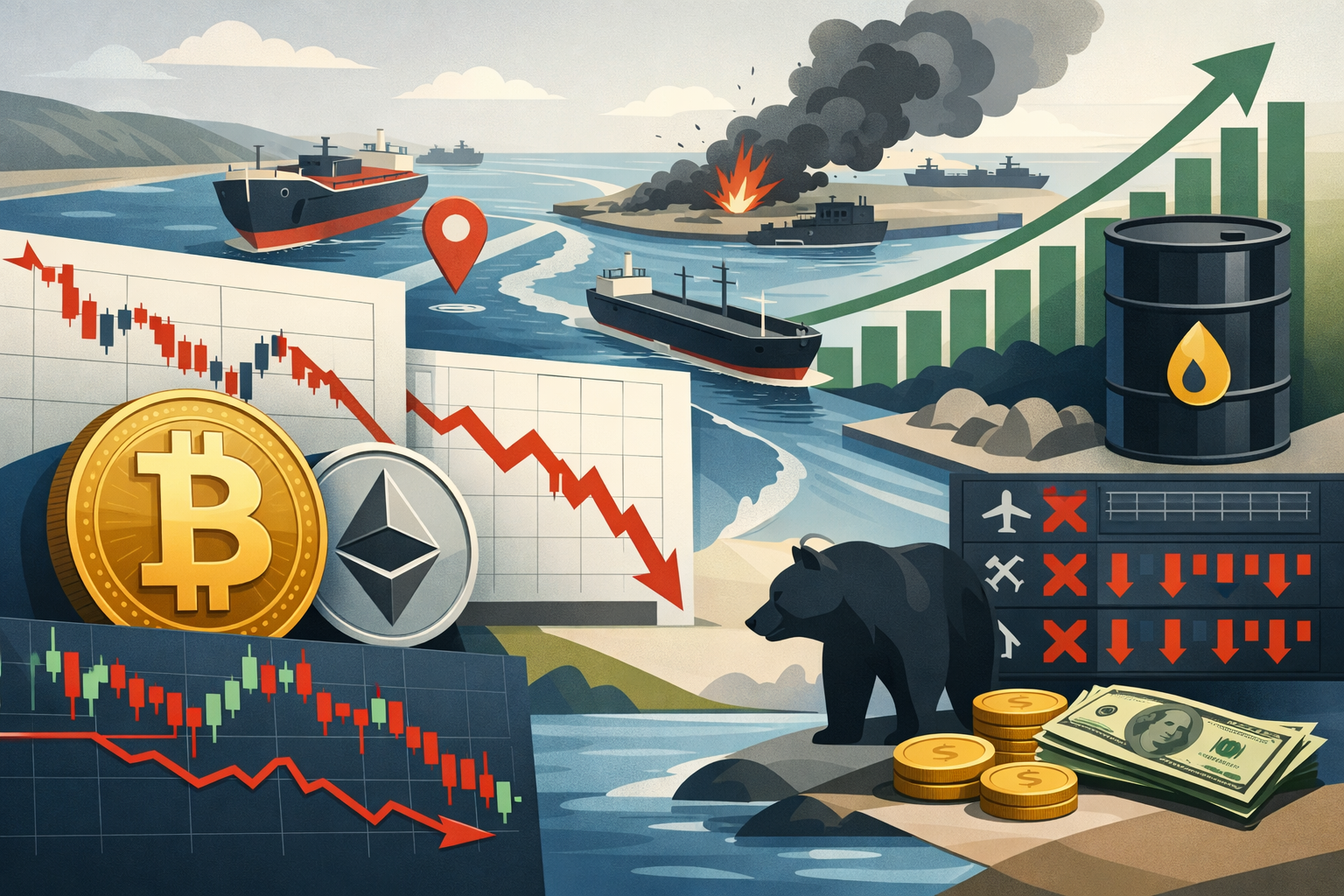
As failed U.S.-Iran talks and renewed blockade risk around the Strait of Hormuz pushed oil sharply higher, both BTC and ETH were increasingly discussed like risk assets reacting to the same external pressure. That is an important market signal, because it changes not only how traders read price action, but also how they need to execute.
The Market Mood on X: Crypto Back in Macro Mode
The strongest X signal came from crypto news and market commentary tying the same sequence together:
- failed diplomacy
- renewed Hormuz blockade risk
- oil moving back above $100
- Bitcoin dropping back toward the low $71,000 area
- Ethereum and other majors trading weaker alongside the same risk-off move
That framing matters. It suggests the market was not isolating Bitcoin as a special case. Instead, crypto majors were being treated as part of a broader macro repricing.
That is exactly the kind of environment where users stop asking abstract questions about long-term narratives and start asking practical ones:
- Should I rotate from BTC into stables?
- Should I reduce ETH exposure quickly?
- Should I move into another major instead of fully exiting risk?
- Which chain or route gives me the cleanest execution right now?
Why This Matters: BTC and ETH Are Not Always Independent Stories
When macro stress takes over, correlations tighten.
Reuters reported on April 13, 2026 that oil climbed back above $100 per barrel after U.S.-Iran talks failed to reach a deal and blockade risk around Iranian shipping escalated again. At the same time, crypto-focused reporting and X commentary pointed to Bitcoin giving back ground toward the low $71,000 range.
The broader takeaway is more useful than any one hourly candle. In these moments, crypto stops feeling like a collection of separate narratives and starts behaving more like a cluster of liquid risk assets.
That means traders are often not deciding whether Bitcoin is good or bad in the abstract. They are deciding how fast they can reposition across the liquid part of the market.
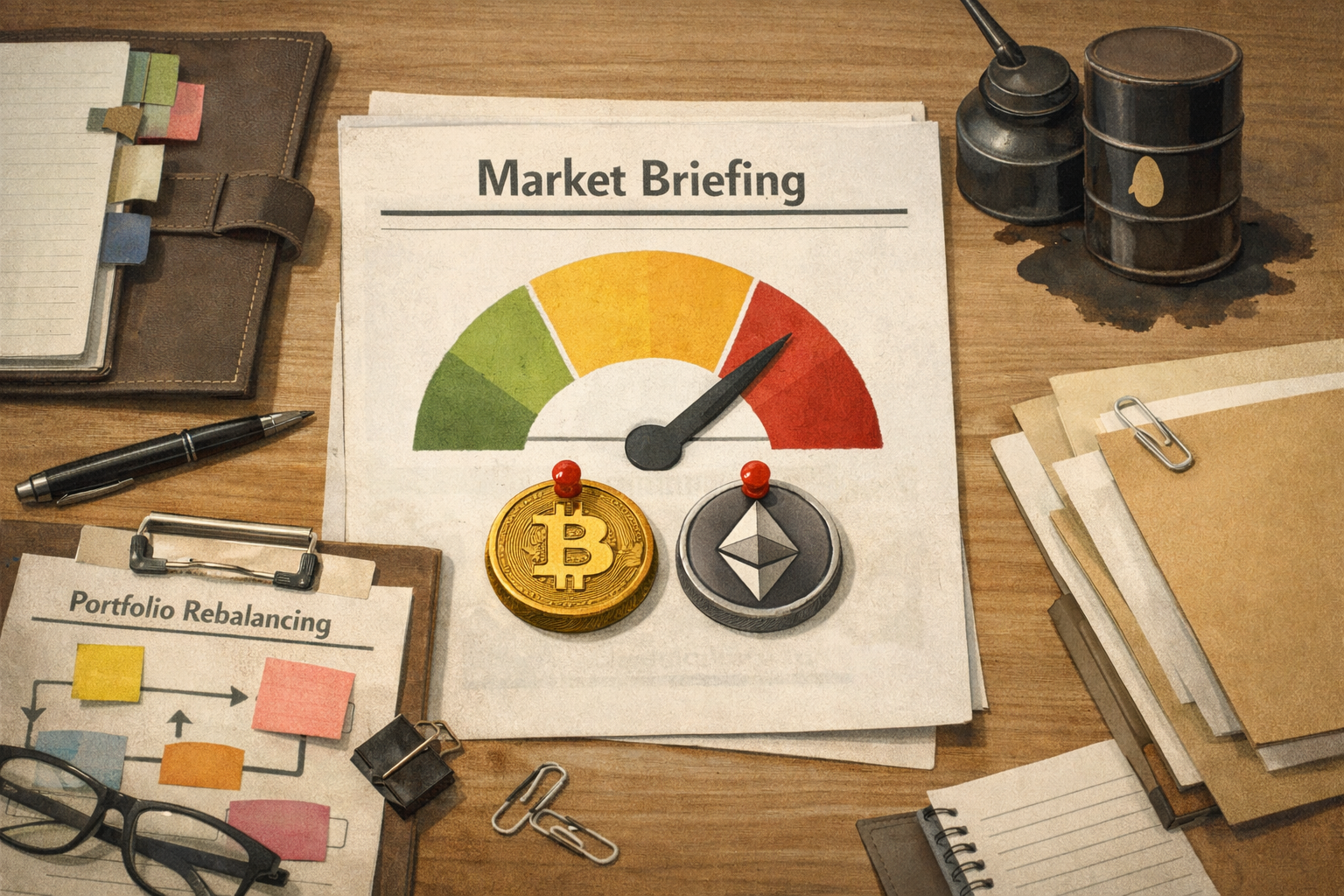
The Real Execution Problem Is Rotation Speed
In a macro-driven market move, the problem is usually not a lack of opinions. It is execution friction.
Users may want to:
- rotate from BTC to ETH or ETH to BTC
- move from majors into stablecoins
- reposition from one chain environment to another
- reduce slippage and route guesswork while volatility is rising
The slower the workflow, the more painful the market feels.
This is where a lot of traders get stuck between bad choices.
- Centralized exchanges can feel convenient, but deposits, withdrawals, queueing, and platform exposure add delay at exactly the wrong moment.
- Manual DeFi execution preserves control, but fragmented liquidity and bridge complexity create a different kind of drag.
If BTC and ETH are both reacting to the same macro tape, then the main edge is often not finding some secret narrative. It is being able to move between assets cleanly without wasting time.
Why Cross-Asset Swaps Matter More During Oil-Driven Risk-Off Moves
A market like this increases the value of flexible swap infrastructure.
If the entire conversation on X is shifting toward oil, war-risk premium, and macro stress, then users need tools that help them do more than just hold and hope. They need tools that let them respond.
That response may mean:
- rotating from BTC into ETH after an overreaction
- de-risking from majors into stables
- taking a partial rather than total risk-off posture
- accessing liquidity across chains without stitching the workflow together manually
This is why cross-asset swaps become more strategically important when macro volatility rises. The question is not only what you want to hold. The question is how quickly and cleanly you can get there.
Where OneSwap Fits In
This is the use case OneSwap is built for.
When BTC, ETH, and other majors are all moving with macro pressure, users need a workflow that is fast, flexible, and still non-custodial.
OneSwap helps by offering:
- non-custodial execution so you keep control of your assets
- cross-asset flexibility when you want to rotate between majors or into stables
- cross-chain access when liquidity is scattered
- AI-powered routing to reduce manual route comparison and decision fatigue
- cleaner execution when volatility makes every extra step more expensive
Instead of sending funds through a slower multi-step process, users can move toward the asset mix they actually want with less operational drag.
Final Take
The latest oil-driven risk-off move is a reminder that BTC and ETH do not always trade on isolated crypto narratives. Sometimes they trade like macro-sensitive assets reacting to the same outside shock.
That changes what matters most.
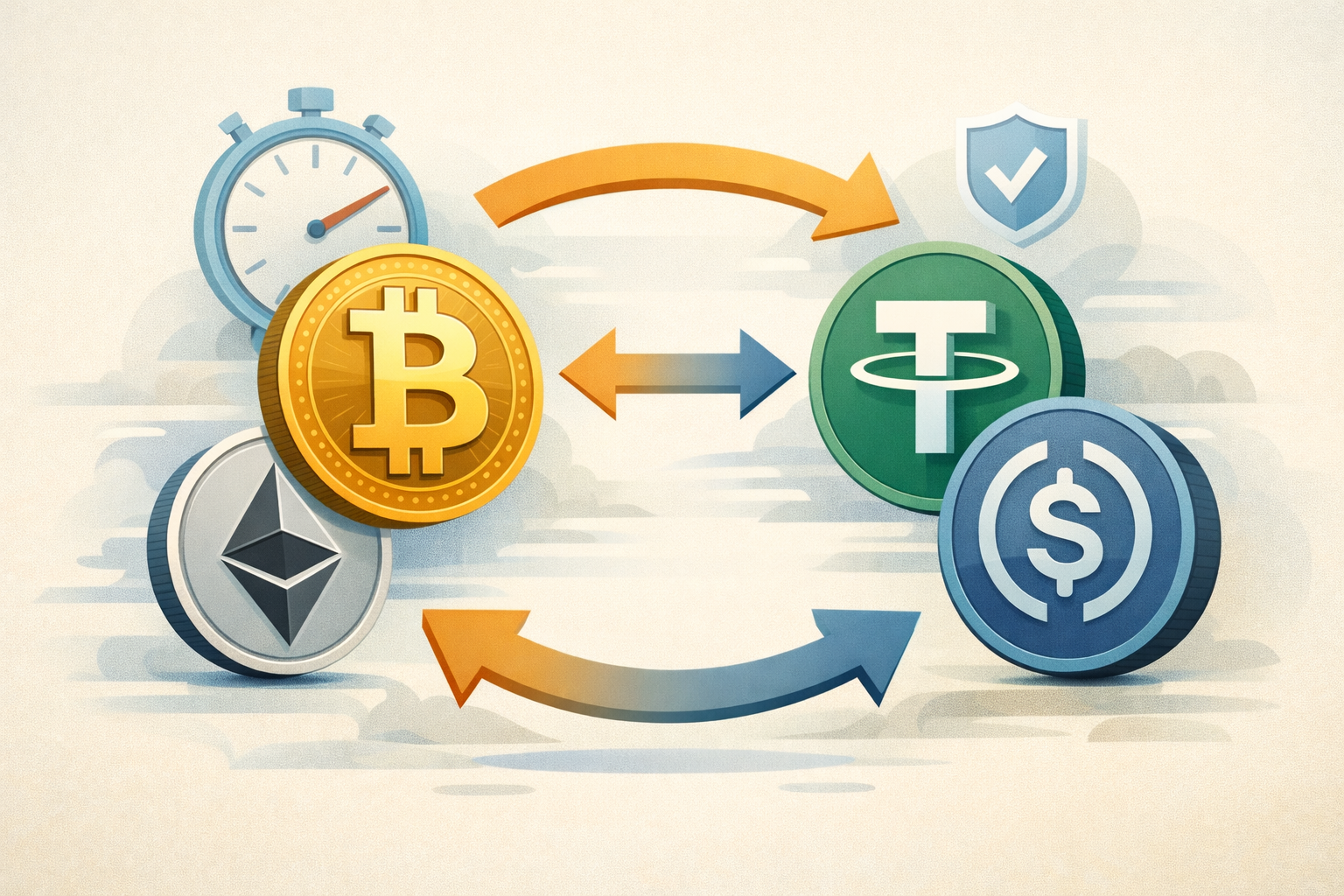
In those moments, better execution matters more than better commentary. Traders need to move between majors, stablecoins, and chains without giving up control or getting trapped in slow workflows.
That is where OneSwap has a real advantage. If you want a faster, simpler way to rotate across crypto markets when macro volatility returns, try OneSwap.
Articles connexes
When BTC and ETH Trade Like Macro Assets: Why Fast Cross-Asset Swaps Matter in Oil-Driven Risk-Off Markets

Bitcoin at $71K After the Hormuz Shock: Why Fast Non-Custodial Swaps Matter More in Risk-Off Markets