
How to Exchange BTC to ETH Without Overpaying in 2026
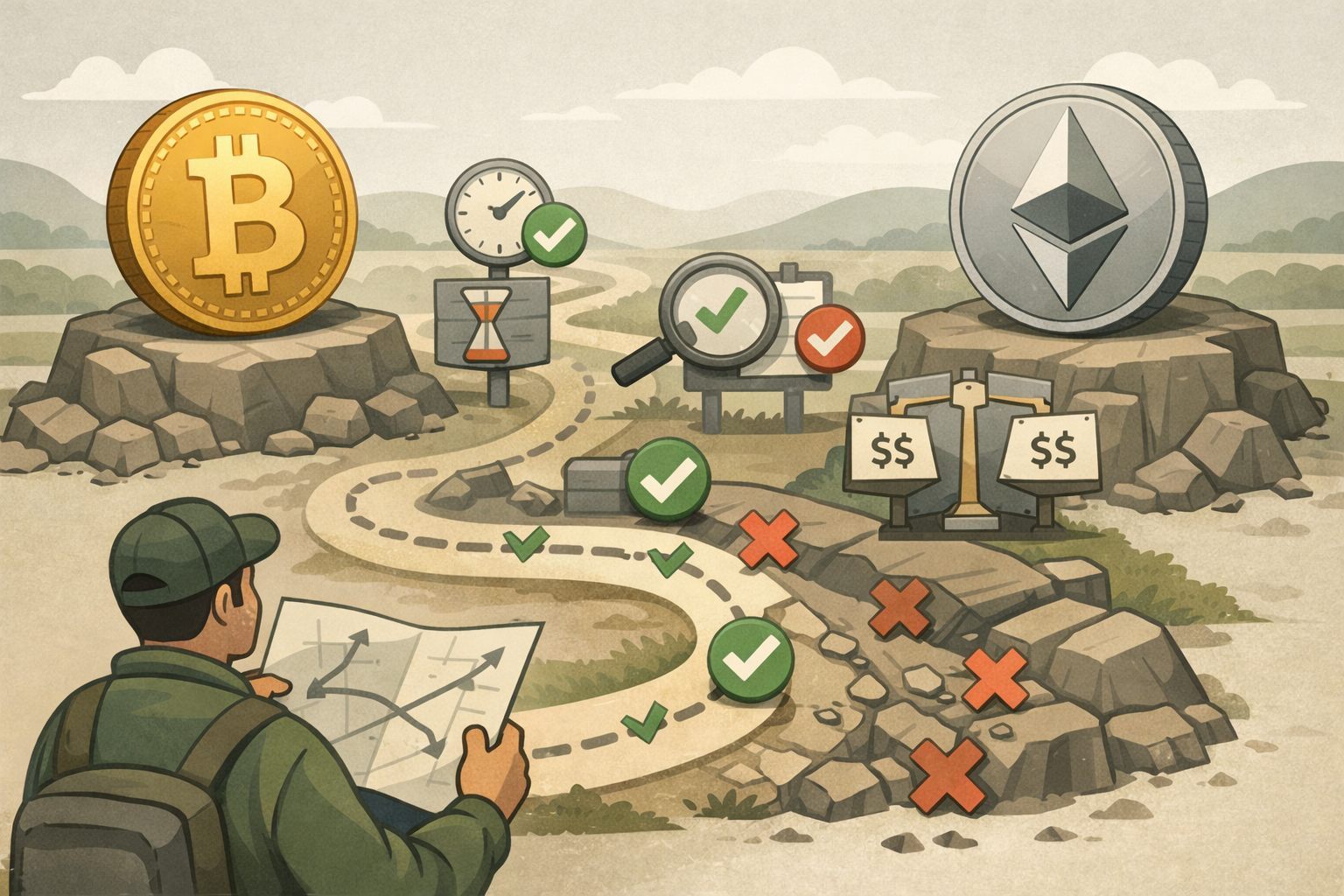
Why BTC to ETH swaps often cost more than expected
At first glance, swapping BTC to ETH looks straightforward. In practice, many users lose value in places they do not notice right away: hidden spread, weak route quality, extra network cost, and poor timing.
The biggest mistake is focusing only on the headline quote. A route can look attractive at the start and still deliver a worse final result once confirmations, rate movement, and depth are factored in.
What actually affects your final BTC to ETH result
1. Spread, not just visible fees
Some routes advertise a low fee but quietly compensate with a weaker exchange rate. That means the quote looks competitive until you compare the final ETH received.
2. Fixed vs floating rate behavior
A floating rate can help when the market moves in your favor, but it can also punish slow settlement or sudden volatility. A fixed rate can reduce uncertainty, but only if the quoted route is actually strong to begin with.
3. BTC confirmation time
BTC settlement is not instant. If the route depends on multiple confirmations before execution, your quote can age before the swap is even processed. In fast markets, that matters.
4. Route depth and execution quality
A route is not just a pair. It is the full path from BTC to ETH, including the provider, liquidity quality, execution timing, and operational reliability. Better infrastructure usually means fewer surprises.
5. KYC and operational friction
Sometimes the most expensive route is the one that gets interrupted. Extra verification, delays, or edge-case compliance checks can turn a simple swap into a slow and costly process.
A practical checklist before you exchange BTC to ETH
Check the full receive amount
Do not stop at the top-line price. Compare the final ETH amount you are expected to receive.
Look at route quality, not only price
A slightly lower quote from a more reliable route can still be the better trade if it reduces execution risk.
Decide whether certainty or optionality matters more
If you care about predictability, a strong fixed-rate route may make more sense. If you are comfortable with market movement, a floating route may be acceptable.
Be realistic about timing
BTC swaps are sensitive to confirmation delays. If market conditions are unstable, assume speed matters.
Recheck before confirming
Always review the final route, network details, and minimum received before submitting.
When users usually overpay on BTC to ETH swaps
The most common pattern is simple: a user sees a good-looking quote, assumes all routes are roughly the same, and confirms without checking how the route behaves under real execution conditions.
That is where small losses compound. A little spread here, a little delay there, and suddenly the final ETH received is meaningfully worse than expected.
A better way to think about BTC to ETH exchanges
The goal is not to find the route that looks cheapest for one second. The goal is to find the route most likely to give you the best real result when the swap is actually executed.
For BTC to ETH, that usually means balancing quote quality, timing, and route reliability instead of chasing the most aggressive headline number.
Final takeaway
If you want a better BTC to ETH result in 2026, compare routes more carefully, account for timing, and judge execution quality as seriously as price. Most overpayment does not come from one huge mistake. It comes from a stack of small assumptions that were never checked.