RWA Liquidity Is Spreading Across Chains. Routing Needs Asset Context
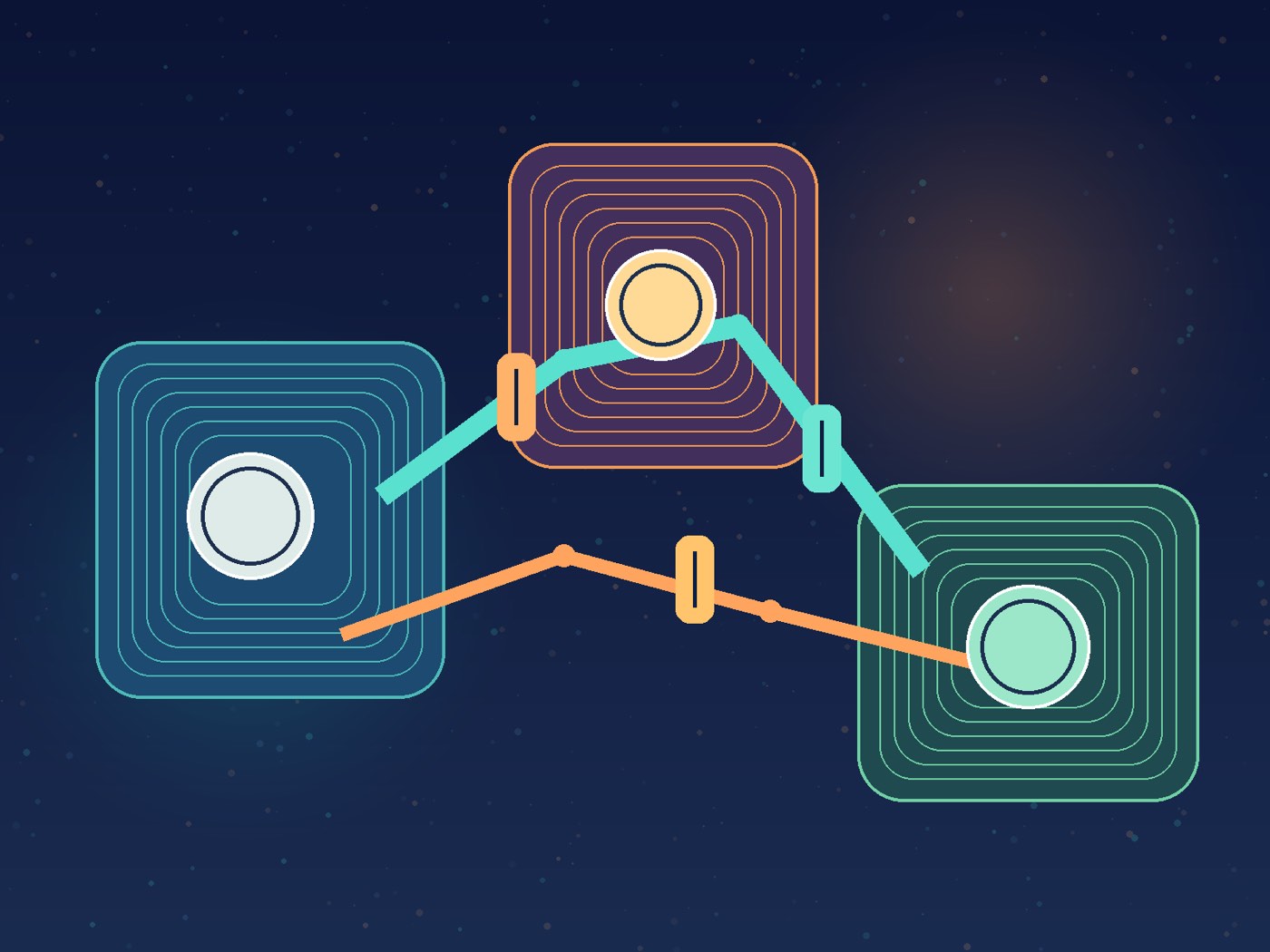
RWA liquidity is moving across chains. A route now carries an asset identity, an issuer state, and a market path alongside its price.
Real-world assets are entering the same trading surfaces as crypto-native assets. A current X signal from SolanaFloor pointed to more than $900 million of RWA net inflows into Solana over the last 30 days. Token Terminal reported that tokenized stocks reached $4.64 billion in market capitalization on October 28, 2026, with Binance bStocks, Ondo, and xStocks representing 81.17% of that market.
The numbers describe demand. They also expose a routing problem. Every new issuer, chain, bridge, and venue adds another condition to the path a user needs to understand before signing a transaction.
RWA inflows change what a route must know
Price, fee, and estimated time remain essential. RWA execution adds a second information layer around the asset itself.
A useful route view should answer questions such as:
- Who issued the token and who holds the underlying asset?
- Which chain contains the native version?
- Does the destination support the same asset standard and transfer model?
- What eligibility rules apply to the wallet and the venue?
- Where does redemption happen if secondary liquidity disappears?
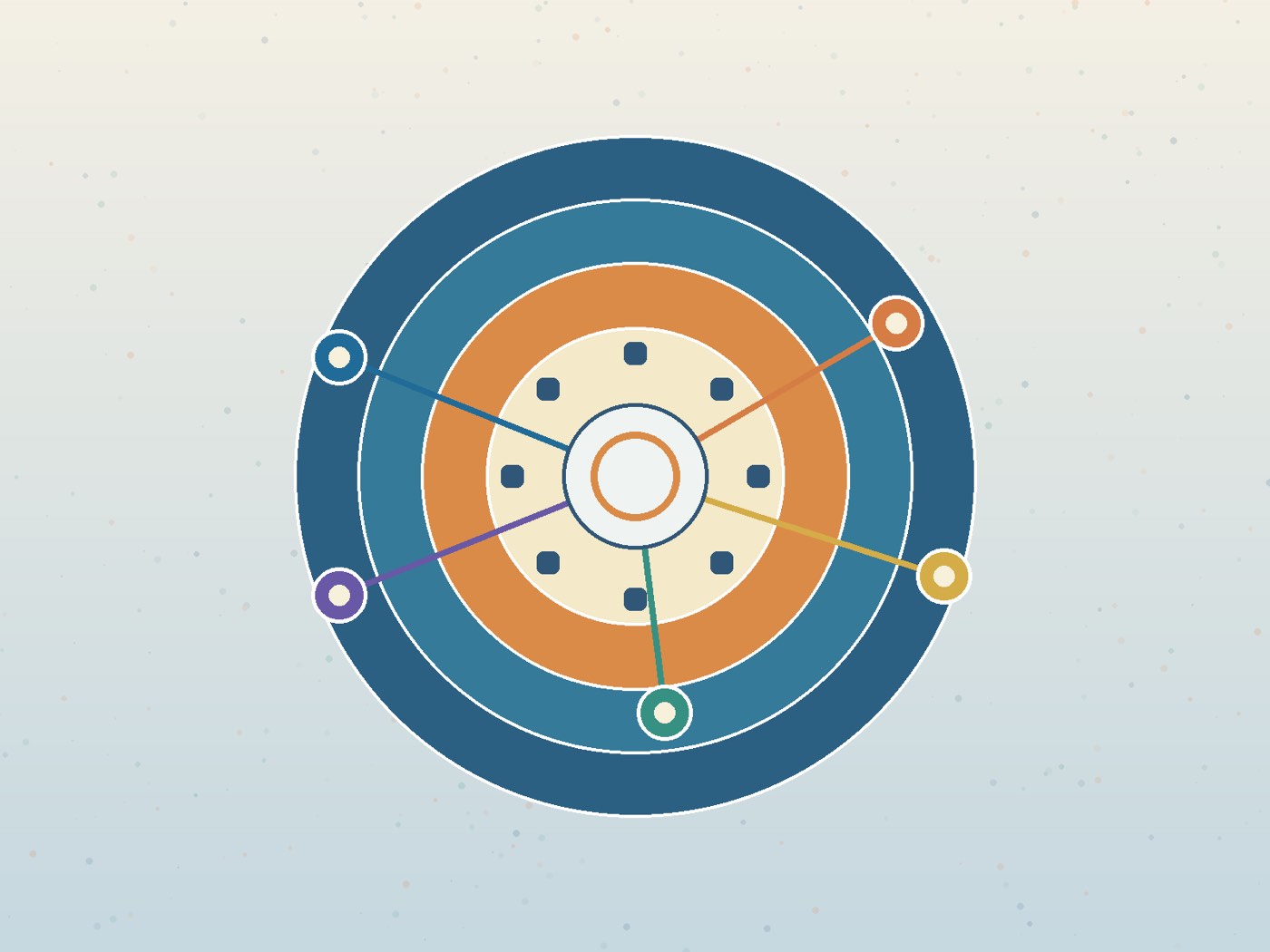
These fields affect the trade a user can actually complete. A quoted path can look efficient while its destination market has limited eligibility, stale pricing, or a transfer restriction that appears only after the route is selected.
The token symbol is one layer of identity
Two assets can share a ticker while carrying different issuer, custody, and redemption conditions. A wrapped version can inherit a familiar symbol and still depend on a specific bridge, a specific custodian, and a specific destination contract.
That identity should travel with the quote. A route engine can attach issuer, custody model, native chain, bridge representation, oracle timestamp, pause state, and redemption venue to the asset record. The user can then compare paths with the same context that the execution layer uses.
This structure also improves support. When a route pauses, the interface can show which condition changed and which fallback paths remain available. The explanation turns a confusing failed swap into a legible state transition.
Cross-chain execution has a market boundary
Robinhood's official Chain documentation describes an Ethereum-compatible Layer 2 designed for tokenized real-world assets, including Stock Tokens and ETFs that can be held, transferred, and composed into onchain applications. It also points developers toward the canonical Arbitrum bridge and partner bridging routes for moving funds onto the network.
Each connector carries its own state. The asset can be transferable on the source chain, the bridge can be healthy, and the destination venue can still restrict the final action. A cross-chain quote therefore needs a boundary check for every leg: asset eligibility, bridge availability, venue support, confirmation depth, and exit or redemption path.
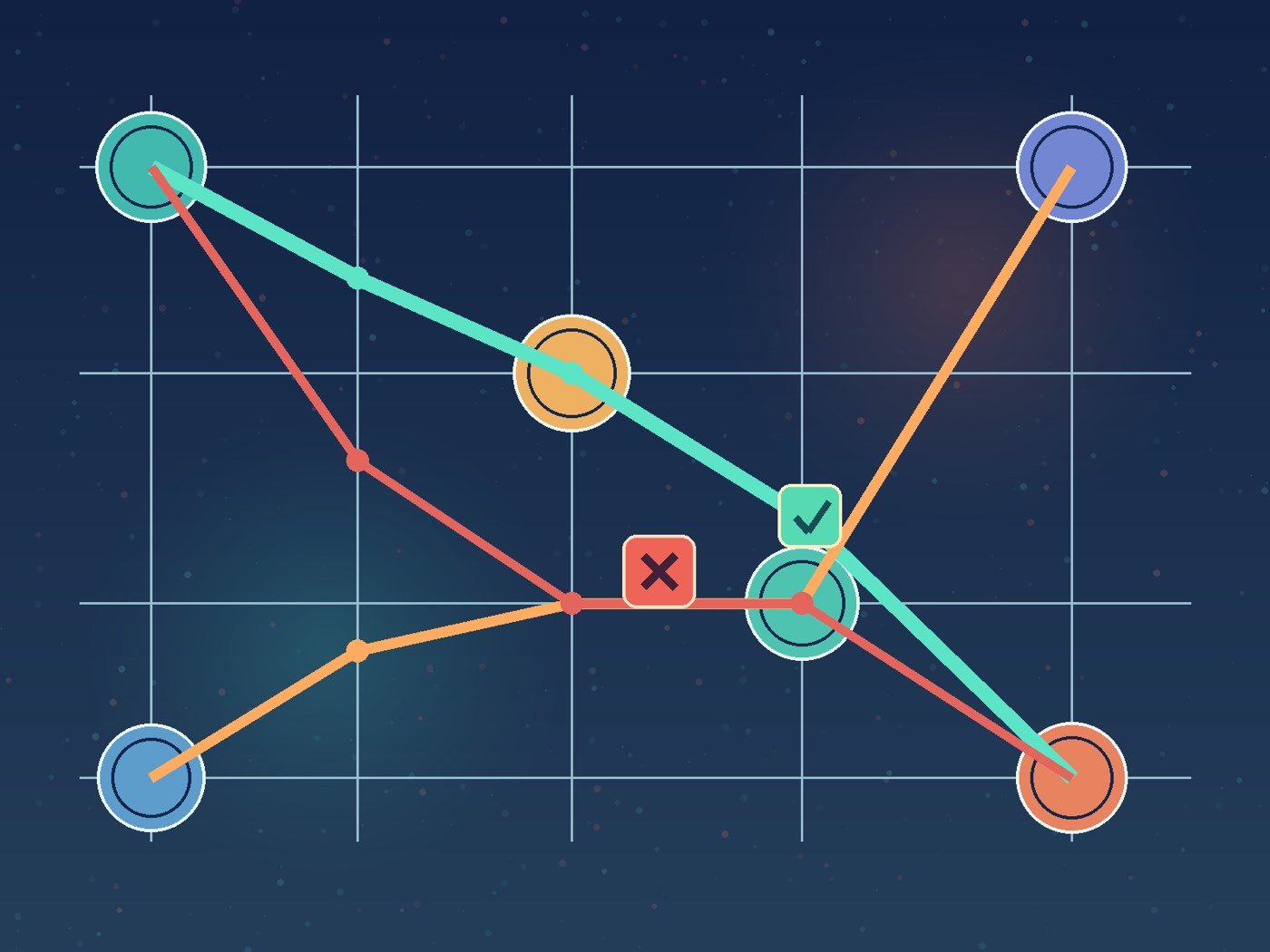
The route should surface the boundary before the user commits capital. That design protects the user from a price-first interface that hides the operational conditions of the transaction.
A route score needs state, provenance, and fallback depth
RWA routing benefits from a wider scoring model:
- Execution quality: expected output, spread, gas, and slippage.
- Provenance: issuer, custody, native representation, and contract identity.
- State freshness: oracle time, bridge health, venue liquidity, and pause or freeze signals.
- Access conditions: wallet eligibility, geography, whitelists, and destination rules.
- Fallback depth: alternate venues, alternate bridges, and a clear recovery path.
The score can remain transparent and show its inputs directly. A compact route card can show a confidence state such as ready, degraded, or paused, with the reason beside it. Users get a faster decision because the important context sits beside the price.
OneSwap turns asset context into a route decision
For OneSwap, the opportunity is to make this context part of the swap experience. A user moving between a stablecoin, a tokenized fund, or an asset on a new chain should see the route, the bridge, the destination market, and the relevant state in one view.
That view helps liquidity travel with clearer expectations. It gives issuers and venues a place to expose their operating conditions. It gives the routing layer a way to choose paths using the full asset record, with the ticker and spot quote as only two inputs.
Explore the route-aware experience at oneswap.ai.