
How to Swap ETH to SOL Without Overpaying in 2026
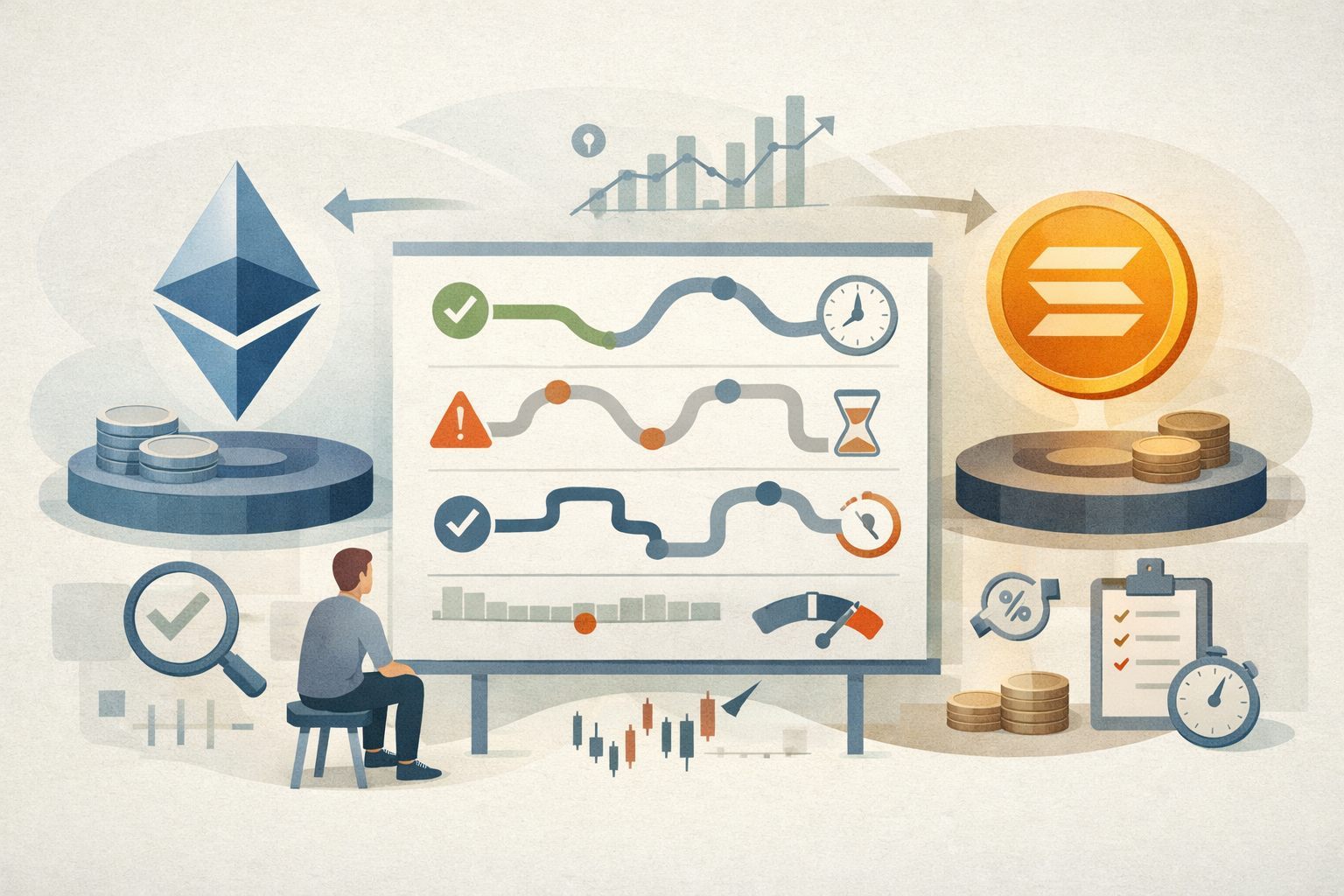
Swapping ETH to SOL can look straightforward, but spread, route quality, and timing can quietly cut into what you receive. This guide shows how to reduce avoidable cost before you confirm.
How to Swap ETH to SOL Without Overpaying in 2026
Swapping ETH to SOL is one of the most common cross-ecosystem moves in crypto. It is also one of the easiest places to lose value without noticing. A route can look acceptable on the surface, but hidden spread, weak provider selection, slow execution, and mismatched network choices can leave you with less SOL than expected.
This guide explains what actually affects your result and how to make better decisions before you swap.
What makes an ETH to SOL swap more expensive than it looks
A lot of traders focus only on the headline output. That is a mistake. The real result depends on several moving parts:
1. Spread between quoted and real execution
A provider may show an attractive estimate, but the final amount can drift if liquidity is thin or if the route is not refreshed often enough.
2. Network mismatch and avoidable friction
Users sometimes choose the wrong asset version or misunderstand which chain the payout will arrive on. That can create delays, failed deliveries, or extra cleanup steps after the swap.
3. Route quality across providers
Not every provider prices the same route equally well. Two ETH to SOL offers can look similar at first glance while producing meaningfully different final amounts.
4. Execution speed under market movement
When the market moves quickly, a slow route can cost more than a slightly less aggressive quote from a faster and more reliable provider.
A practical checklist before you confirm
Before you swap, check these items:
- Confirm you are sending the correct ETH asset on the intended network.
- Verify the expected SOL payout network and destination address format.
- Compare more than one provider instead of accepting the first quote.
- Check whether the route is fixed or floating and choose based on your risk tolerance.
- Review any signs of extra friction such as poor provider reputation, unusual delays, or unclear terms.
These steps take less than a minute and can materially improve your outcome.
Fixed or floating: which is better for ETH to SOL
There is no universal winner.
- Fixed rate is useful when price certainty matters more than maximum upside.
- Floating rate can be better when market conditions are stable and you want to capture the best available live route.
The key is not to guess. The key is to compare routes with enough context to understand the tradeoff.
The dilemma most users still face
The crypto swap market still forces users into an uncomfortable choice:
- Use a centralized service that may be easy, but often limits transparency.
- Use a fragmented set of providers and manually compare quotes, speed, and risk on your own.
That is where most overpayment happens. Not because the user made a dramatic mistake, but because the market makes simple comparison harder than it should be.
Why OneSwap is the smarter way to handle it
OneSwap.ai helps solve this problem by acting as a non-custodial crypto exchange aggregator that compares routes across multiple providers instead of forcing you to shop manually.
That means you can:
- compare rates in one place
- reduce time spent checking providers one by one
- avoid weaker routes that look good only at first glance
- stay focused on the final result instead of marketing noise
If you want a faster and cleaner way to compare ETH to SOL routes, start with OneSwap.ai and review the available options before you commit.
Final takeaway
An ETH to SOL swap should not require guesswork. If you compare route quality, understand rate type, and avoid avoidable network mistakes, you can keep more of your value.
For a simpler way to do that, visit OneSwap.ai.