RWA Adoption Has Crossed the Holder Threshold. The Next Test Is Liquidity
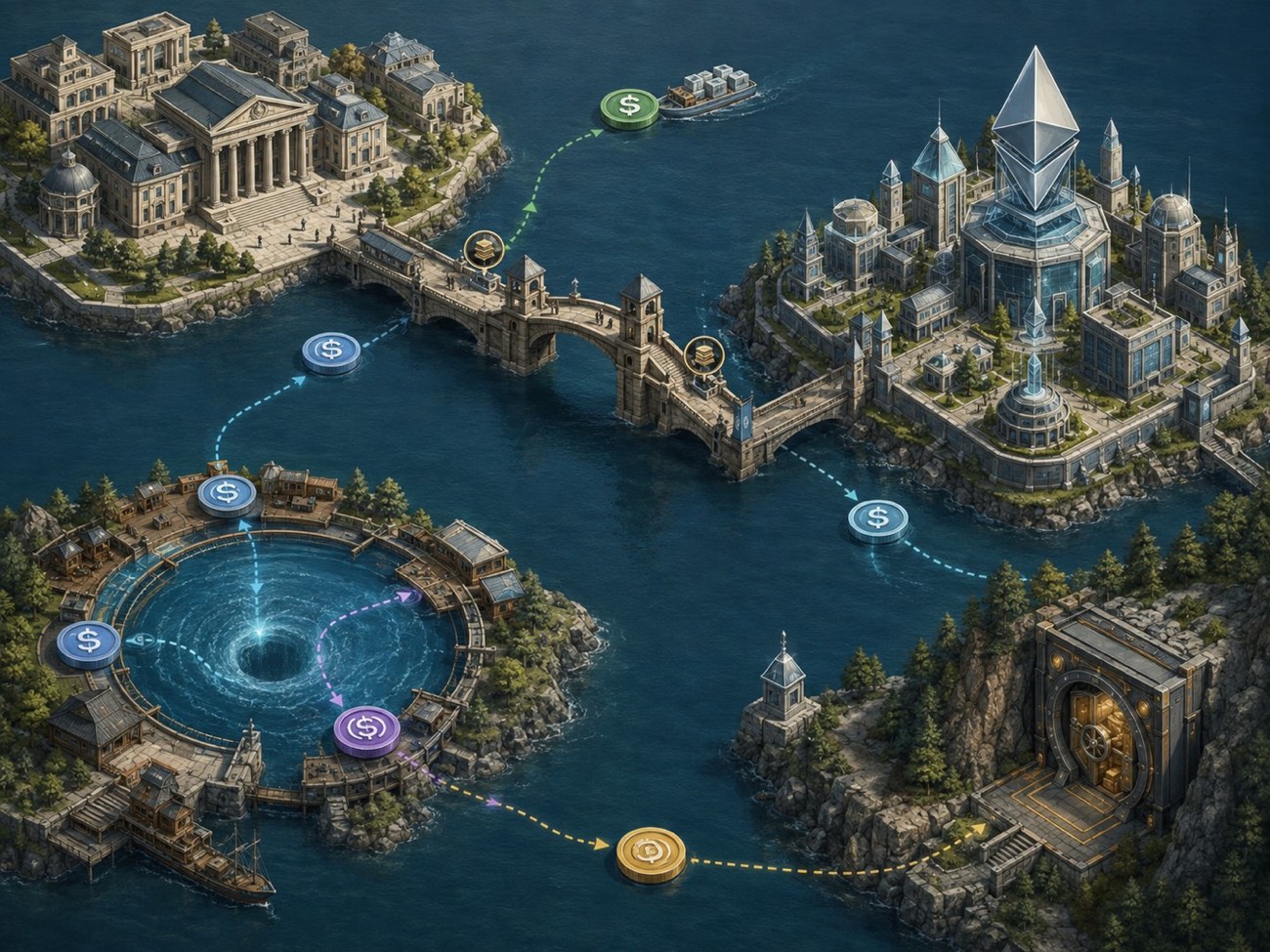
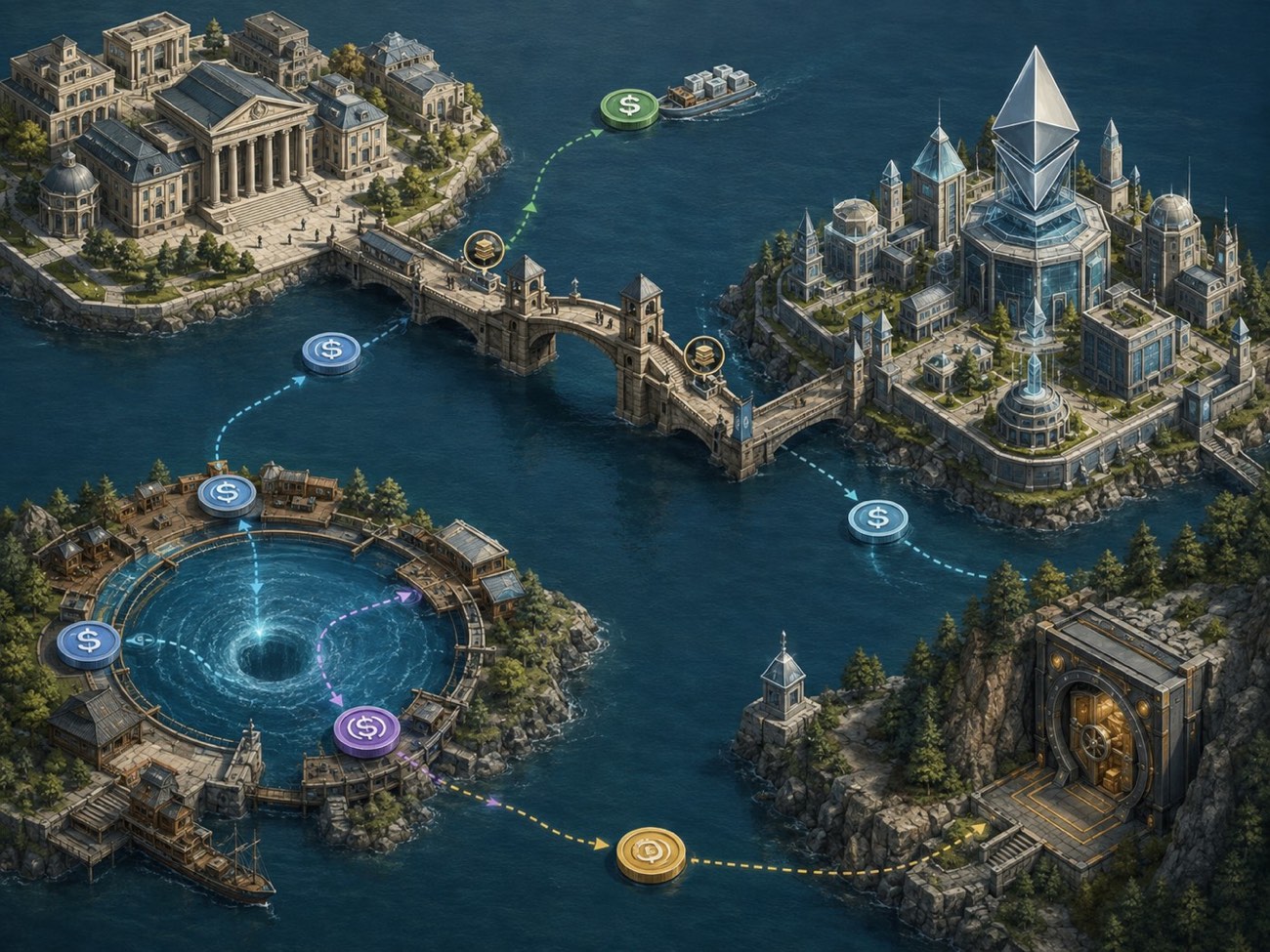
Tokenized assets are attracting holders faster than they are attracting usable liquidity. The next RWA product layer is route-aware access across chains, markets, and quote currencies.
The holder count is becoming a market signal
Recent RWA discussion on X points to a meaningful change in market shape. Richard Seiler reported that tokenized stock holders grew from 502,000 in June to 5.3 million in October. Tokenized stocks represented 83% of RWA holders in that discussion.
The scale matters because each new holder creates a future requirement for discovery, pricing, settlement, and secondary liquidity. The distribution also deserves attention. CryptoRank.io reported that BNB Chain, Solana, and Robinhood Chain represented 82% of tracked RWA holders, with BNB Chain at about 2.1 million addresses.
Holder growth gives the market a larger audience. It also raises the cost of fragmented execution. A user searching for a tokenized asset may need to identify the canonical contract, locate a live venue, find a compatible quote asset, and account for the chain where the best depth currently sits.
A large holder base can still meet a thin DeFi market
Ownership and usable liquidity measure different parts of the market. Hercules | DeFi described roughly $30 billion of active RWA assets, more than $3.5 billion of tokenized stock value, and about $300 million deposited in DeFi. RedStone's research provides additional September context for tokenized stock holders, supply, and DeFi deposits.
That gap creates a practical product question: how can a route find the best available execution when the asset, quote currency, and liquidity venue are spread across several networks?
The answer begins with better route inputs. A route engine needs to understand asset identity, chain support, current depth, price impact, bridge availability, fees, oracle freshness, and the user's settlement preference. A holder count can describe demand. Route quality determines whether demand can reach a market.
Three chains now carry much of the holder growth
Concentration across BNB Chain, Solana, and Robinhood Chain gives builders a clear starting map. It also produces three different execution environments. Token standards, liquidity venues, bridge paths, quote assets, and transfer assumptions vary by chain.
RWA Foundation's recent X discussion drew strong engagement while asking which blockchain should receive deeper coverage for RWA, tokenization, and stablecoin ecosystems. RWA.xyz's network dashboard offers a live view of network and holder distribution.
This concentration makes cross-chain discovery commercially important. The route with the strongest headline volume may still carry a poor result for a specific asset, account, or settlement currency. A useful system evaluates the complete path and exposes the reason for each selection.

Tokenized equities add session and asset-identity constraints
Robinhood's Stock Tokens documentation describes ERC-20 assets with Chainlink price feeds, self-custody, and 24/7 trading access. The same documentation defines a tokenization window for minting and burning, and notes that trading capabilities vary by asset.
These details change route construction. A route needs the canonical token contract, the issuer and underlying asset, the current market session, the quote asset, the oracle timestamp, and the available settlement path. The user's desired action may be a swap, a transfer, or a position adjustment, and each action can have different constraints.
Robinhood's canonical contract reference is useful for reducing ticker ambiguity. The contract address, chain, and asset metadata should travel with the quote so a user can understand exactly what the route touches.
A route checklist for RWA flows
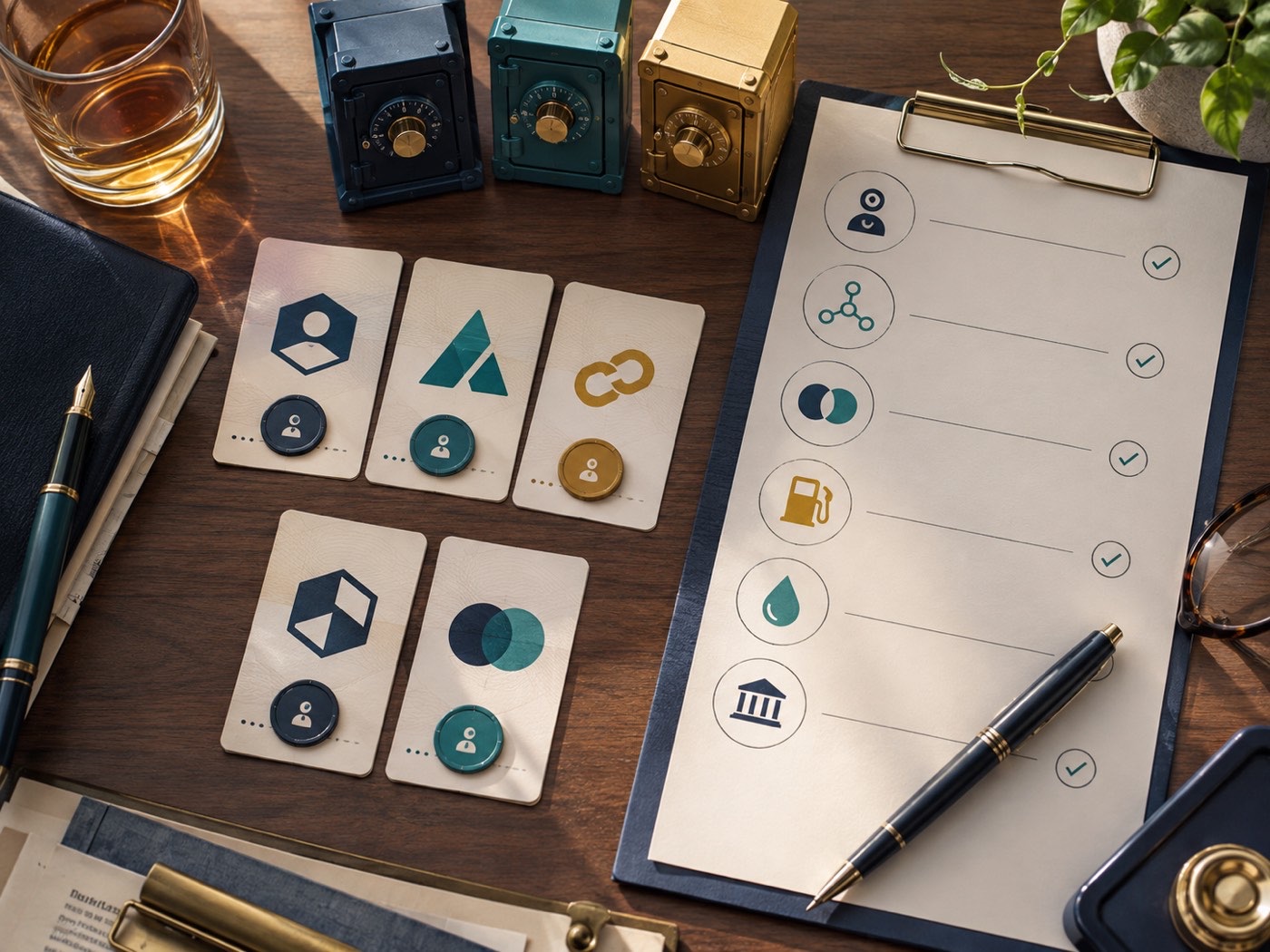
For tokenized assets, a route should carry at least these fields:
- Canonical contract and underlying asset identity
- Source and destination chains
- Available liquidity venues and depth at the requested size
- Quote currency and settlement preference
- Current trading session and minting or burning constraints
- Oracle source, timestamp, and price freshness
- Bridge path, fees, slippage, and expected completion time
- Fallback venues when the preferred path changes
This checklist turns a broad RWA narrative into an execution surface. It also creates a clearer handoff between asset issuers, liquidity providers, wallets, and end users.
OneSwap keeps the RWA route in view
As tokenized asset ownership expands, the valuable product layer sits between the holder and the fragmented market. OneSwap helps users discover cross-chain routes that account for liquidity, settlement, and execution conditions in one flow.
Explore the route at oneswap.ai.