
The Gas Token Is Becoming a Route Variable for Stablecoin Swaps
Stablecoin routes now carry more than a swap rate. Gas mode, fee payer, fee asset, and settlement timing can change the result a user receives.

Stablecoin routes now carry more than a swap rate. Gas mode, fee payer, fee asset, and settlement timing can change the result a user receives.

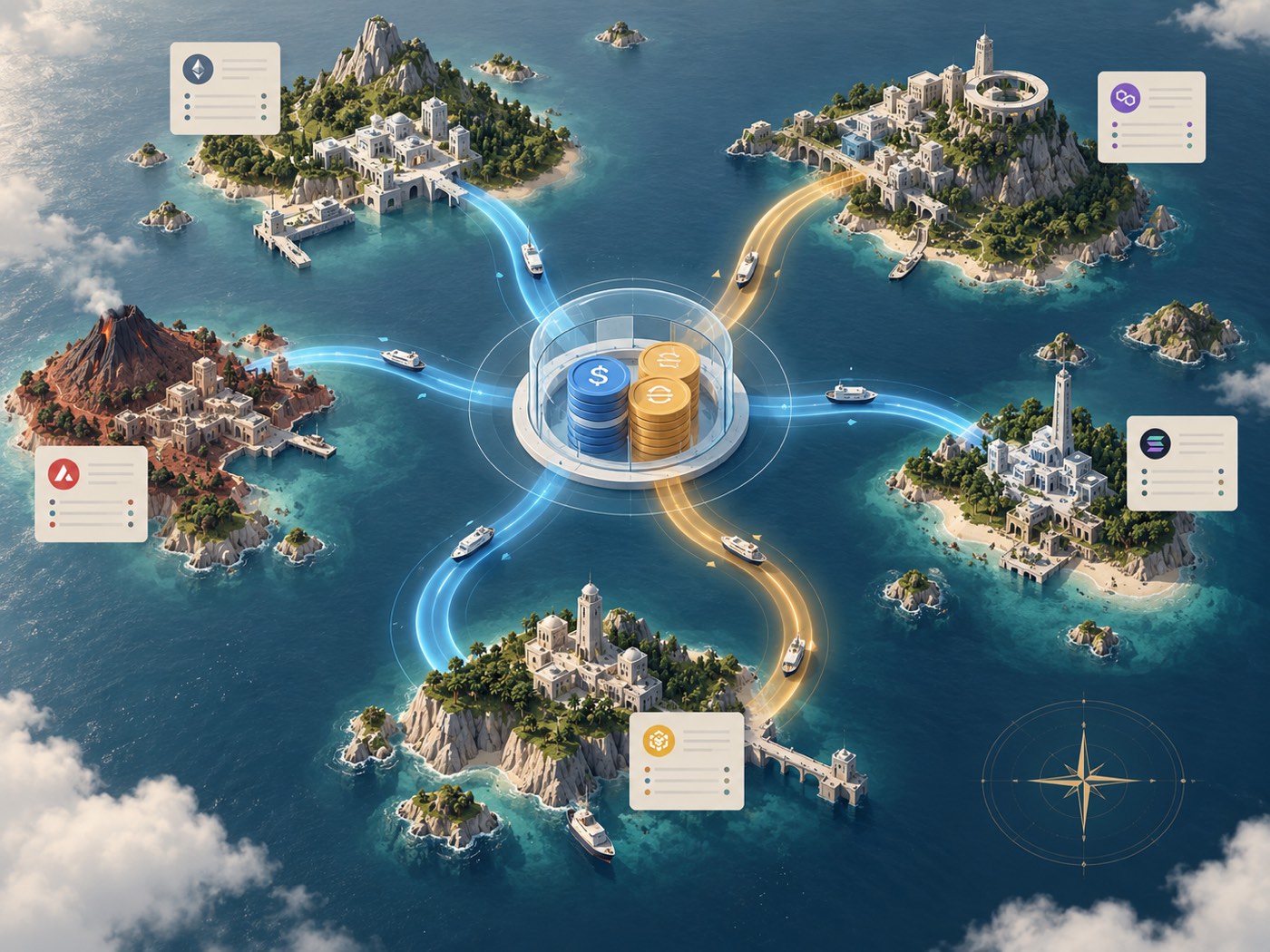
Stablecoins are becoming different products on different chains. The token, network, venue, and user intent now shape the route and the outcome a user receives.

Aptos's KRW1 expansion adds a Korean-won stablecoin to a Move-based ecosystem built for payments, settlement, and RWA use cases. The new route choices show why cross-chain quotes need asset identity, liquidity, transfer timing, and destination context.

Visa's adjusted stablecoin data and recent market activity point to a faster shift in where dollar liquidity moves. As USDC takes a larger share of real transaction flow across several chains, swap products need to explain the full route behind every quote.

Fresh stablecoin payment launches for autonomous AI agents point to a new execution problem: every small payment still needs the right asset, chain, liquidity source, fee model, and settlement path.

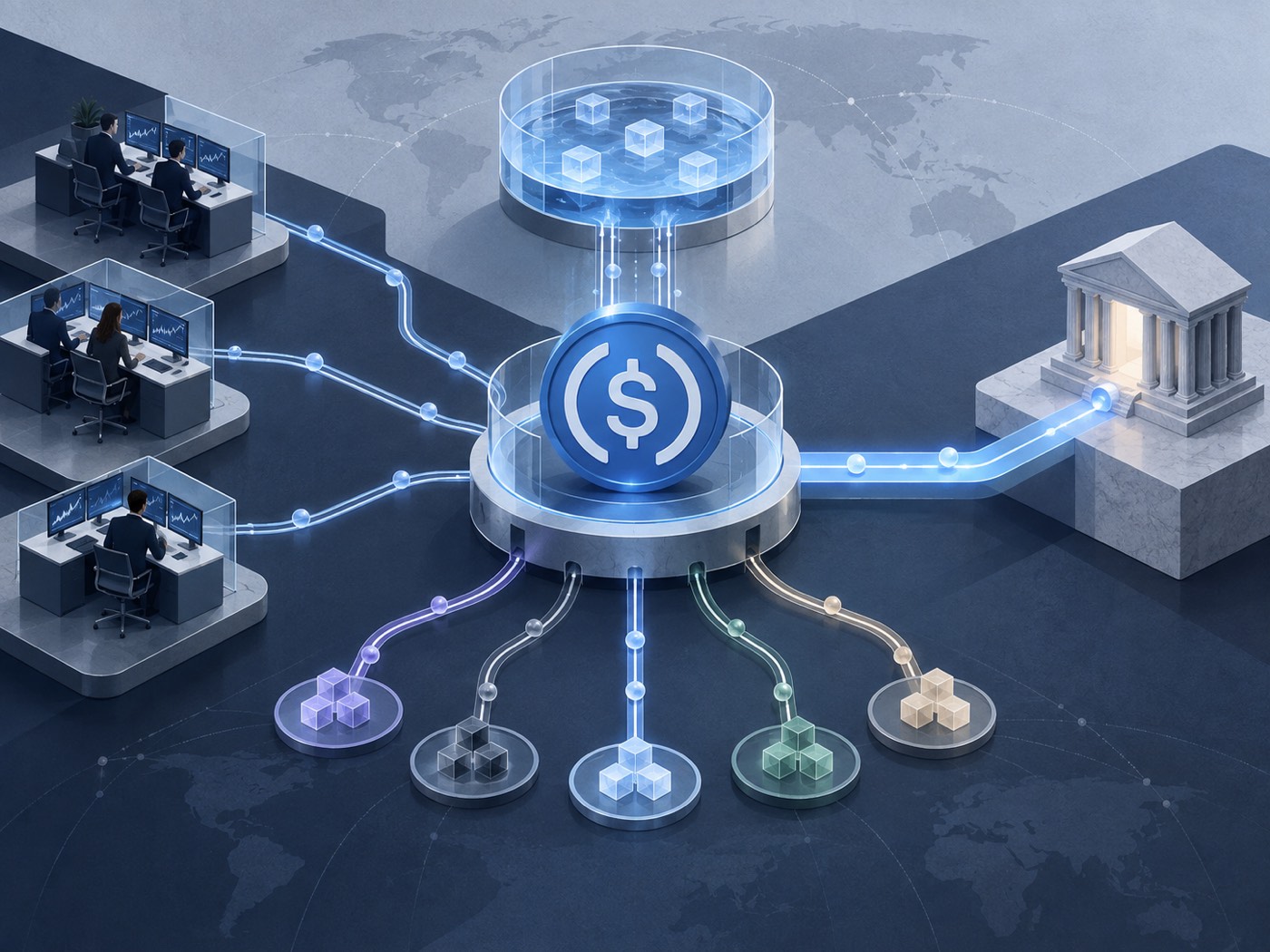
Circle's Arc mainnet brings stablecoin-native settlement into focus. The next execution challenge is connecting that settlement layer to deep liquidity, exact token contracts, predictable fees, and the destination asset users need.

Native USDC and CCTP give X Layer a cleaner settlement primitive. The next execution challenge is routing through real liquidity, exact token contracts, gas, and the destination asset users need.

Stablecoin wallets, cards, and payout rails are bringing onchain value closer to daily use. The route across chains, liquidity venues, and destination products determines what users can actually receive and spend.

Stablecoin payment corridors are expanding across regional payout rails and blockchain networks. Users need a clear view of liquidity, fees, timing, and the route that delivers usable value.

Circle's OCC approval is a trust milestone for USDC, but better regulated rails still need better execution paths. Stablecoin users need routing clarity across chains, liquidity venues, wrappers, and settlement assumptions.