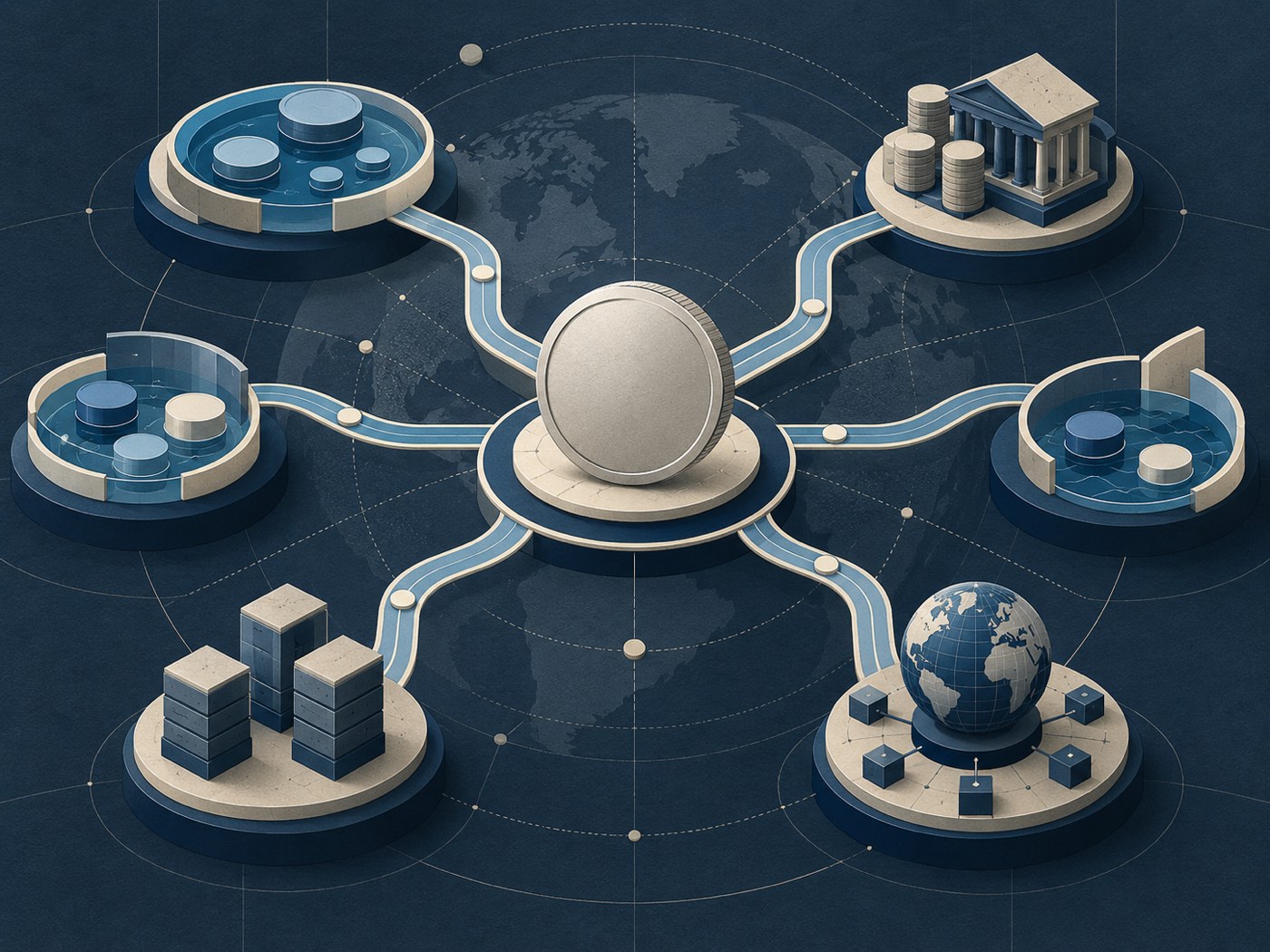
Tokenized Assets Are Going Multichain. Exit Liquidity Needs Better Routing
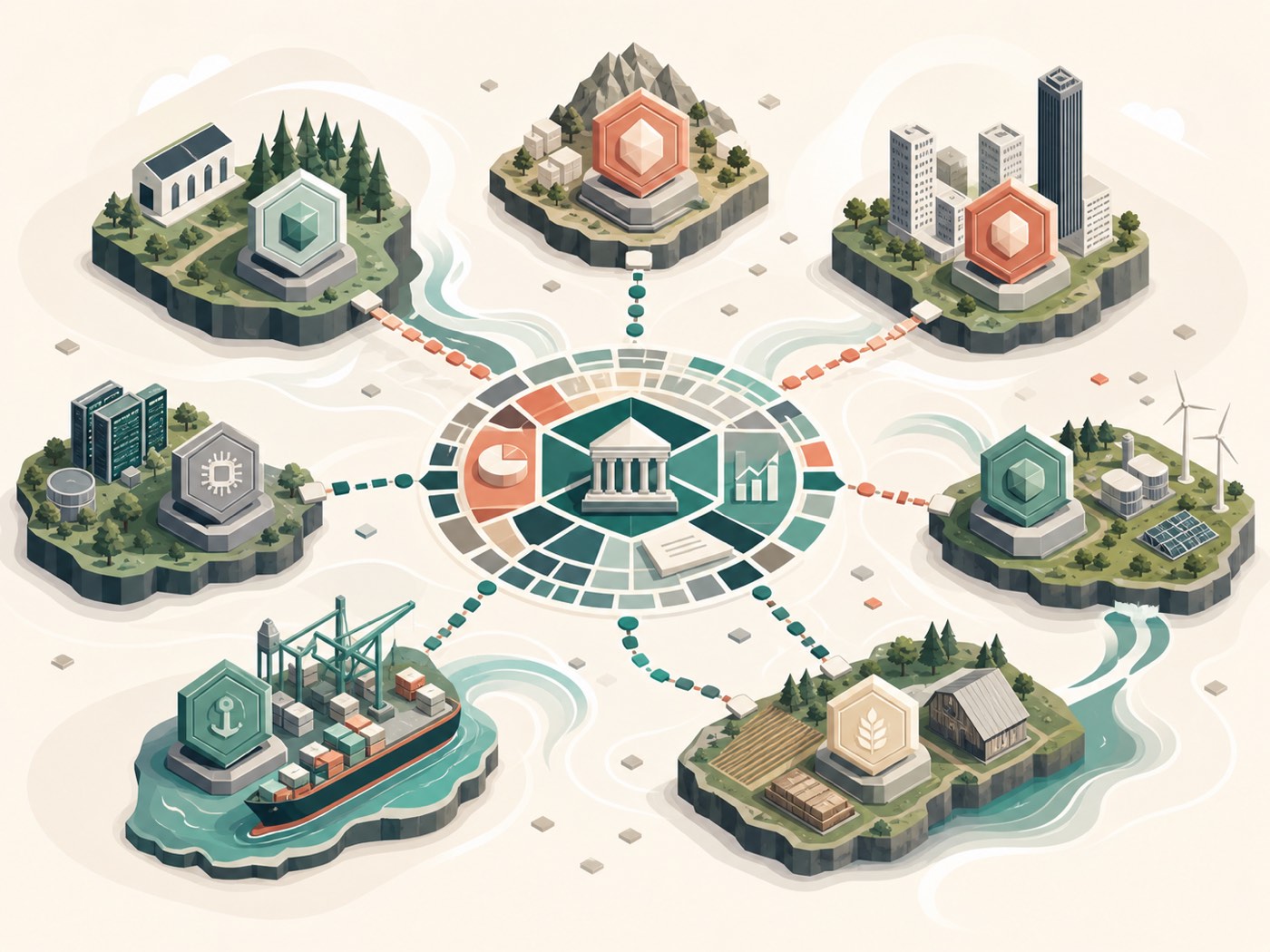
Tokenized asset momentum is spreading across chains, markets, and settlement rails. The next execution challenge is giving users a clear path into an RWA and back to usable liquidity.
Recent crypto conversations are filling with signals from the tokenized asset market. XDC Network is showing rapid RWA value growth. Securitize activity on Avalanche is expanding. New infrastructure projects are clustering around credit, privacy, settlement, and multi-chain distribution.
The market is gaining breadth. That breadth also creates a practical question for every user: where does the route go after the buy button?
An RWA swap can cross a network boundary, use a stablecoin as settlement inventory, depend on a permissioned transfer rule, and finish in a market with very different depth from the source venue. A quote that hides those steps leaves the most important part of the decision outside the interface.
Fresh RWA Momentum Is Arriving In Clusters
On August 1, BSCN highlighted a sharp increase in XDC Network RWA value, citing growth from roughly $1.1 billion to as high as $1.55 billion. The update drew about 41,000 views when captured. The BSCN update is a useful snapshot of how quickly a chain-level RWA narrative can move through the market.
The same day, RWA Foundation shared an Avalanche update saying Securitize distributed asset value on Avalanche had risen 123% to $976 million. The exact figures belong to the cited update, yet the broader signal is clear: RWA activity is showing up in multiple ecosystems at the same time.
On August 2, CryptoTeca’s infrastructure roundup grouped RWA markets with fixed-rate credit, privacy, and institutional settlement rails. That combination matters because tokenization is moving through a stack of issuance, custody, trading, credit, and redemption products.
Multichain Issuance Changes The Route Problem
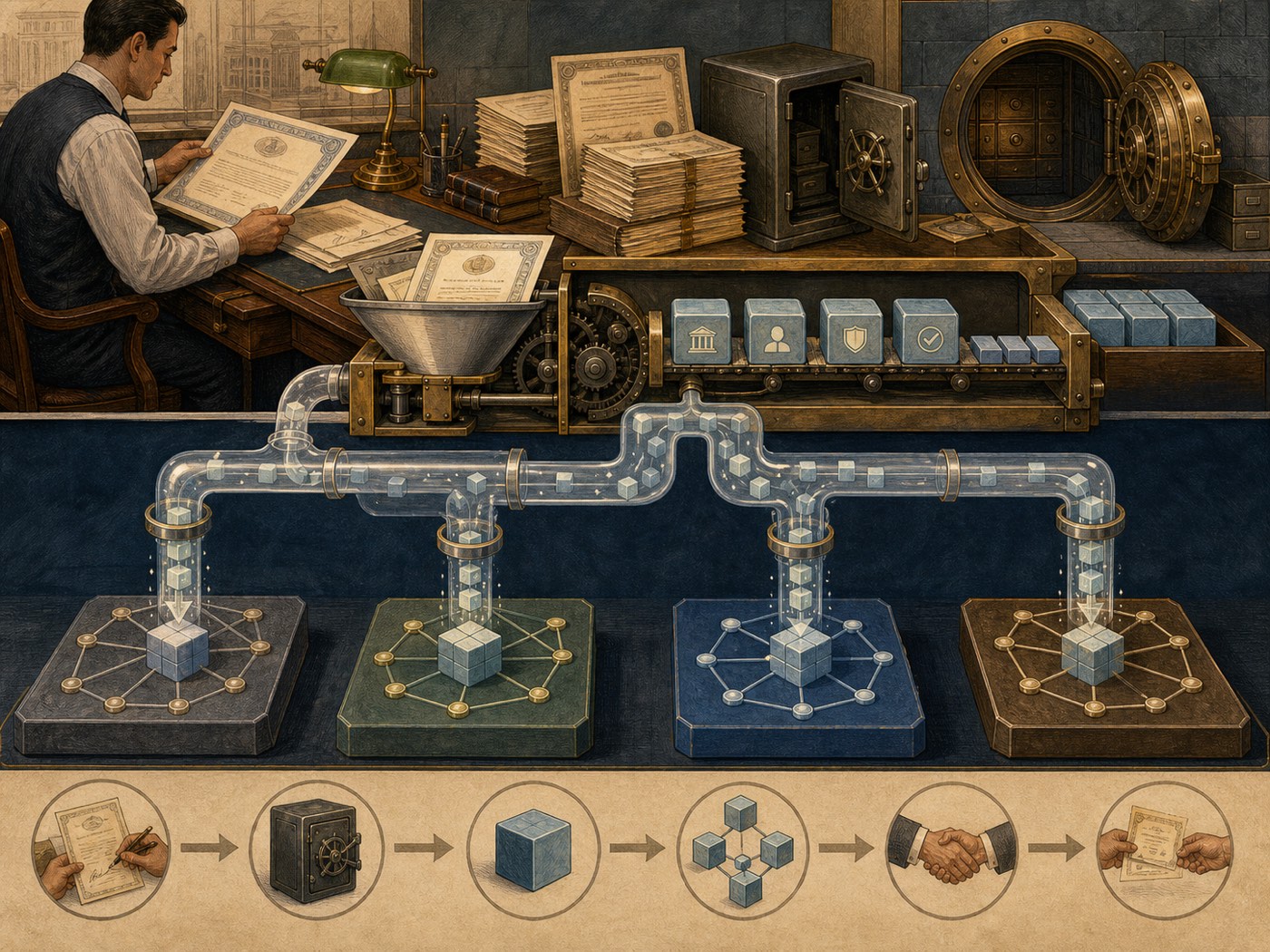
Securitize currently presents more than $4 billion in tokenized assets across more than 15 chains. Its overview also points to native daily redemptions across several networks. RWA.xyz tracks a broad network set with different levels of data coverage, including Ethereum, Solana, Avalanche, XDC, Arbitrum, Base, Sui, Stellar, and other ecosystems.
The network list is useful context for users. It also exposes the execution work hidden behind a simple asset name.
The same economic exposure can have different transfer rules, liquidity sources, settlement assets, and redemption paths depending on its chain. A tokenized fund on Avalanche may have a different exit experience from a related instrument on Ethereum. A stablecoin pair can provide a useful bridge between markets, while a thin pool can turn an attractive headline price into a weak received amount.
This is why chain selection belongs inside the route decision. The user needs to see where the asset starts, where it lands, which pool or venue supplies liquidity, and which step handles the network transition.
Asset Value And Execution Liquidity Answer Different Questions
Distributed asset value measures the size of a market. Execution liquidity measures how efficiently a user can enter or exit that market at a specific moment.
Those measurements can move at different speeds. A chain can attract tokenized assets while secondary-market depth develops more slowly. A fund can have meaningful assets under management while only a limited set of wallets can transfer or redeem it. A stablecoin pair can exist on several chains while available depth remains concentrated on one venue.
RWA routes therefore need more context than a single exchange rate. A useful quote should help the user evaluate:
- received amount after fees and expected slippage
- source and destination chains
- stablecoin or native-asset settlement steps
- bridge, messaging, or liquidity-network dependencies
- transfer and wallet eligibility conditions
- estimated finality and redemption timing
- the most practical exit asset after the trade
These details turn a headline market into an executable decision.
What A Usable RWA Route Should Show
The best route presentation starts with the user’s intended outcome. Someone swapping into a tokenized treasury product may want yield exposure, a stable settlement reserve, or a position that can later move into another DeFi venue. Each goal changes the preferred path.
A route comparison can make that choice concrete:
- Show the full chain path. Name the source network, destination network, and every cross-chain hop.
- Separate price from path cost. Display protocol fees, bridge costs, gas, and expected slippage in one view.
- Identify the liquidity source. Tell the user whether the quote comes from a deep pool, a specialized market, or a thin long-tail venue.
- Explain settlement behavior. Clarify the asset received, the finality expectation, and any redemption dependency.
- Keep the exit visible. A strong entry route should leave the user with a realistic way to return to a liquid stablecoin or other usable asset.
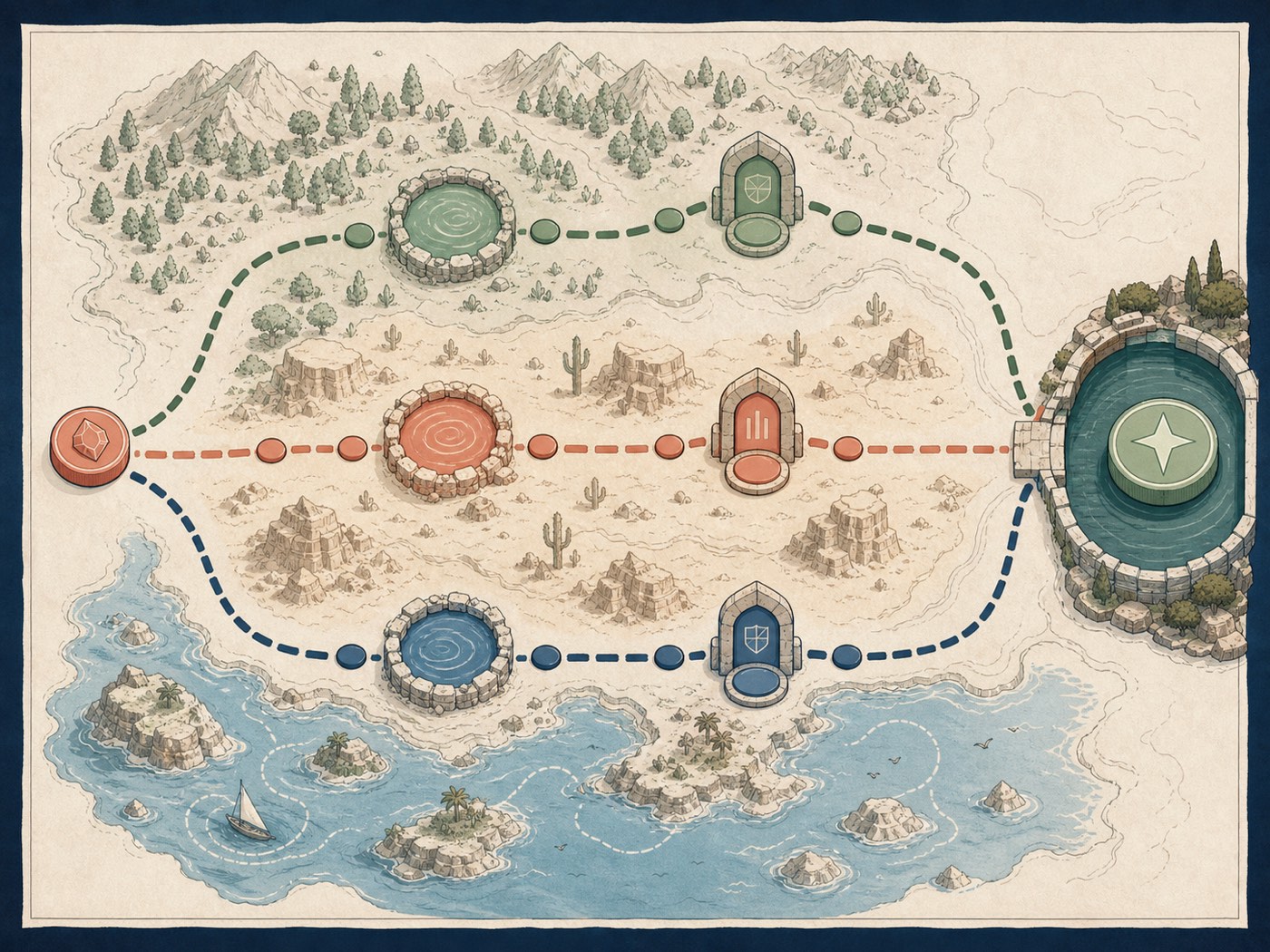
This approach supports both retail and professional users. It gives newer RWA markets a clearer path to discovery while keeping execution tradeoffs visible.
Why This Matters For OneSwap Users
RWA growth is creating more places to trade, lend, settle, and redeem tokenized assets. Users need a routing layer that translates that expanding market into clear choices.
OneSwap is built for this part of DeFi. It helps users compare cross-chain swap paths, understand where liquidity sits, and see how the final asset lands. As tokenized markets expand across networks, route visibility becomes part of the product experience.
Explore clearer cross-chain swaps at OneSwap.ai.