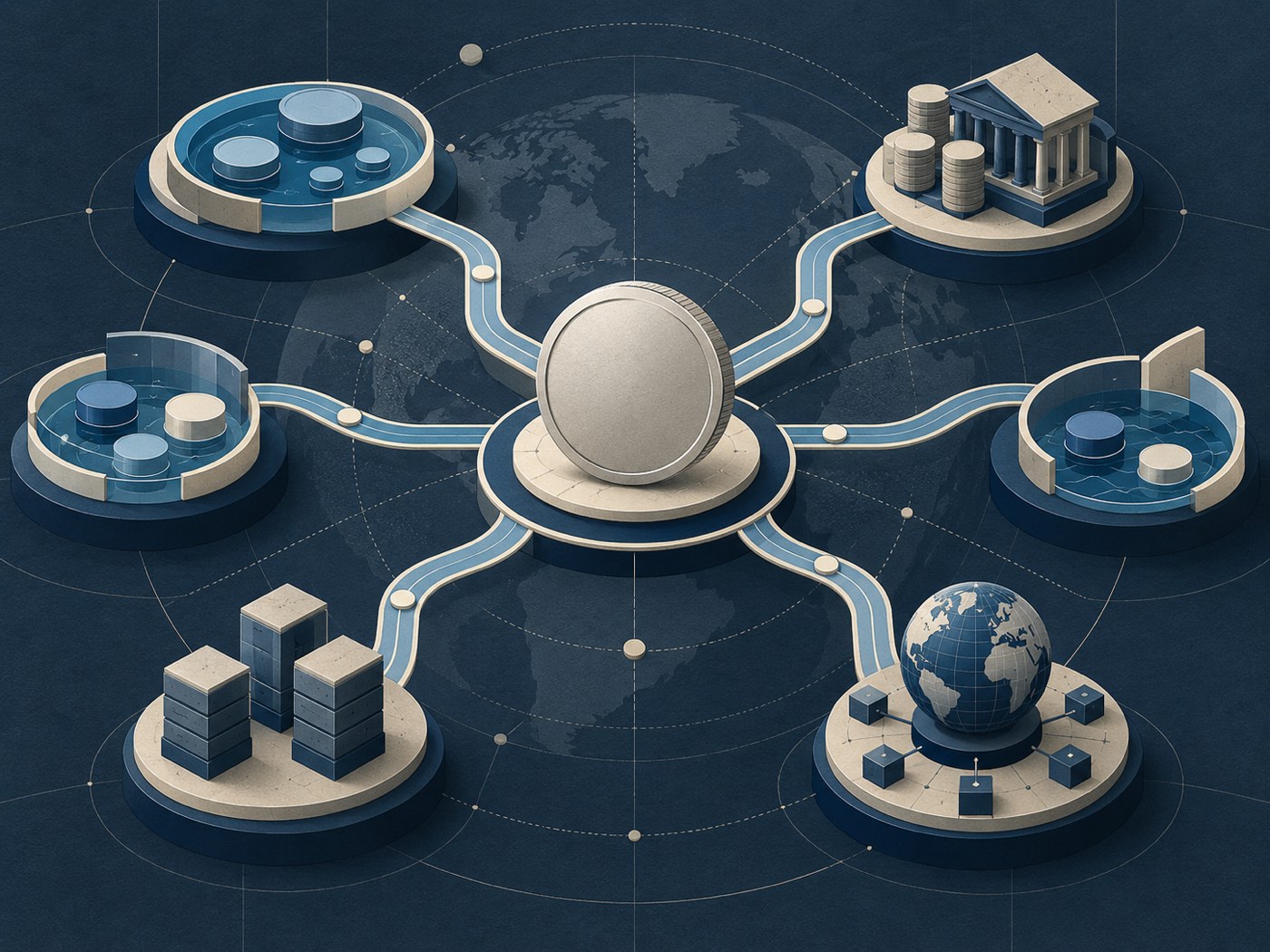
The Gas Token Is Becoming a Route Variable for Stablecoin Swaps
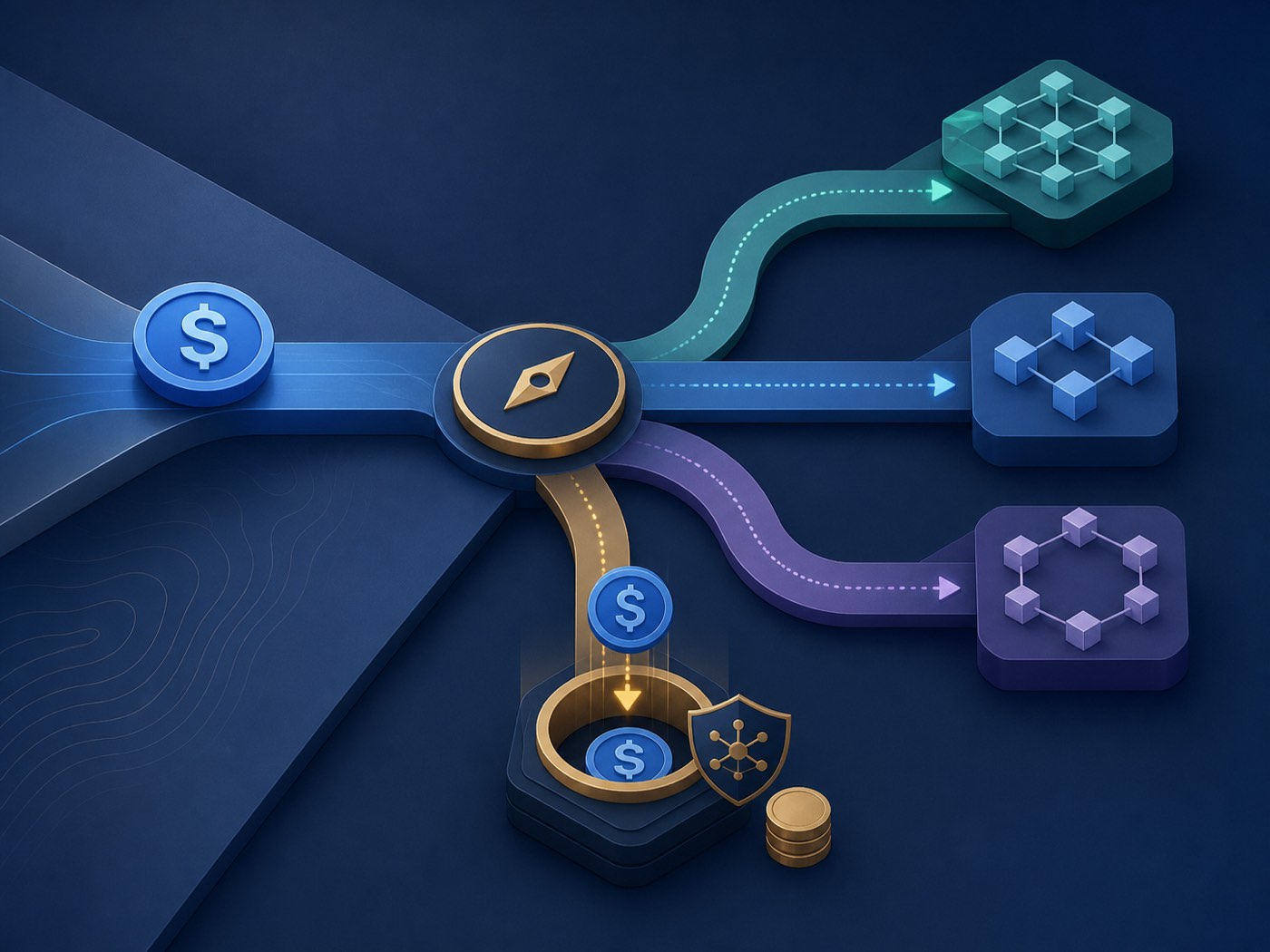
Stablecoin execution is entering a phase where the fee asset, the fee payer, and the payment method shape the route itself. A useful quote needs to show all three.
Gas has become part of the stablecoin route
Recent X activity around Circle Arc, USDC-native gas, and gasless stablecoin transfers points to a change in how users experience network fees. Stablecoins can move through a chain where the stablecoin pays for execution, through a service that sponsors the network fee, or through a cross-chain system that presents a single USDC-denominated cost. These models give the same wallet balance very different execution paths.
The distinction matters for a cross-chain swap. A user can start with USDC, receive USDT or another stablecoin, and still encounter several fee domains along the way. The source network can charge native gas. A bridge or liquidity provider can charge a service fee. The destination can require gas for the final swap or deposit. A sponsored flow can move that cost to a relayer and settle it in the transferred asset.
OneSwap treats this fee structure as route context. The quote should explain the asset used for gas, the account or service paying the fee, the amount deducted, and the amount that reaches the destination. A lower headline fee helps only when the user can see the complete path.
Three gas models are emerging
1. The stablecoin becomes native gas
Circle describes Arc as a blockchain built for stablecoin finance with USDC as the native gas token. The model gives applications a dollar-denominated fee unit and removes a separate native token from the user journey. Circle's Gateway and Gas Station overview also describes a route where a developer can sponsor gas for a cross-chain USDC experience. Read Circle's gas abstraction overview.
For a route engine, native stablecoin gas changes the fee asset field. The quote can show USDC as the asset that funds both the transfer and the execution step, while preserving the chain and contract details behind that balance. The user can compare the net output in the same unit as the input.
Arc's public mainnet launch is scheduled for September 16, 2026, following its private mainnet and validator rollout. The launch timeline gives builders a concrete environment for this gas model. It also gives aggregators a reason to expose fee semantics before the network becomes another destination in a broad swap menu. Read Circle's Arc mainnet announcement.
2. A service provider sponsors gas and deducts a token fee
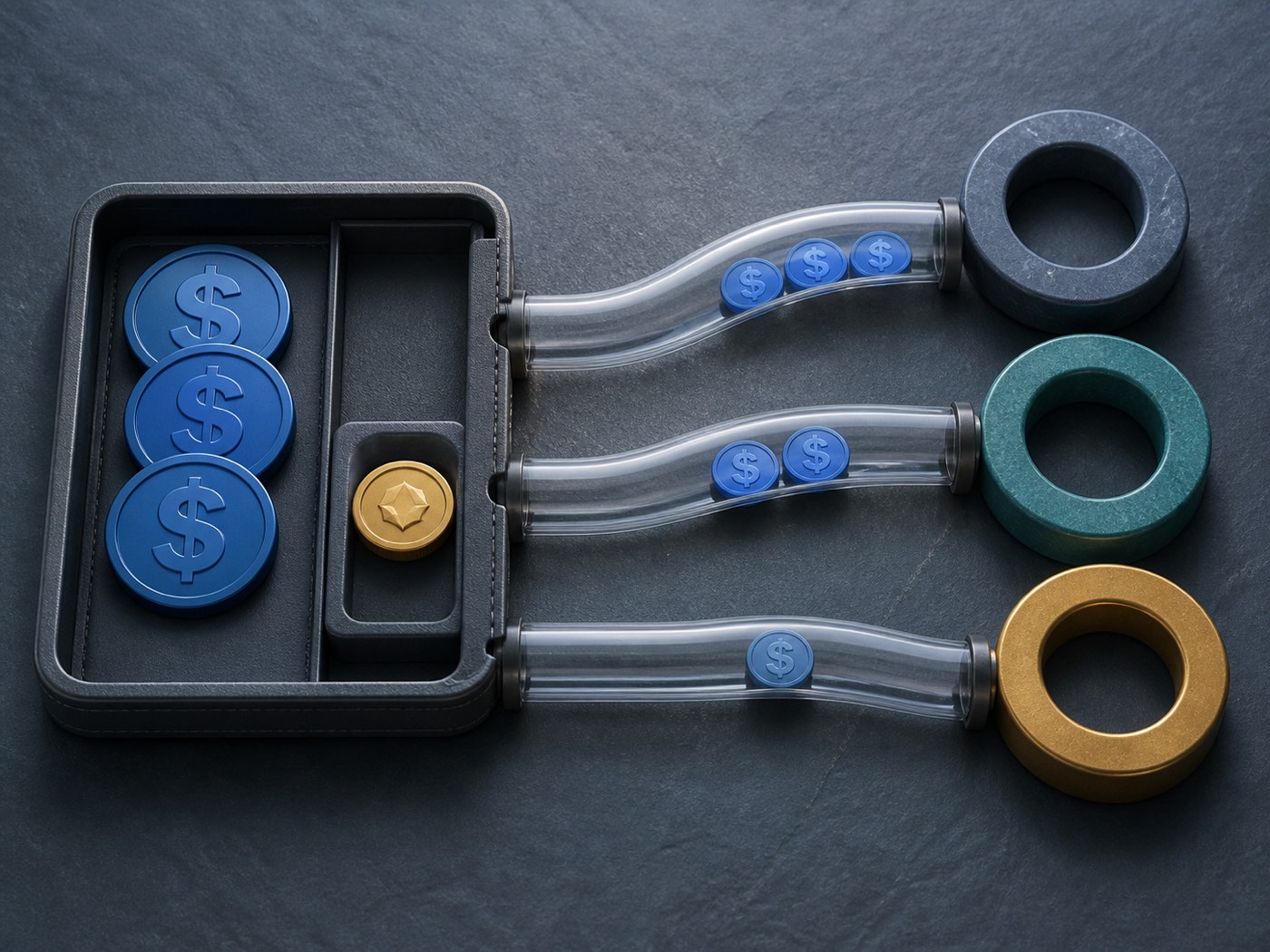
GasFree on Tron presents a second model. Tether's WDK guide describes a user signing a TRC20 transfer off-chain while a service provider submits the transaction and pays the TRX network cost. The service can deduct a small fee in USDT, giving the user a transfer experience centered on the asset being moved. Read Tether's GasFree guide.
This model adds a provider and a fee policy to the route. A clear quote can show the transferred amount before the service fee, the service fee in USDT, the final amount delivered, and the provider responsible for submission. The quote can also show the eligibility rules, supported token, expected confirmation window, and fallback path.
The balance of the source wallet tells only part of the story. A wallet with enough USDT can still require a supported provider, a signed authorization, and an accepted recipient format. The route needs to surface those conditions so the user can evaluate completion probability along with price.
3. A cross-chain system hides gas behind an application flow
Circle's Gateway and Gas Station model gives developers a way to assemble a gas-abstracted USDC experience across chains. The application can sponsor a gas step while the user works with a USDC balance. A route can therefore contain a source deposit, an interoperability step, a sponsored destination action, and a final swap or transfer.
The user-facing result can remain simple while the route record stays detailed. The execution record should retain the source chain, destination chain, transfer protocol, sponsor, fee asset, fee amount, transaction hashes, and settlement timestamps. These fields support both support operations and user trust when a cross-chain action takes longer than expected.
A route quote needs a fee map
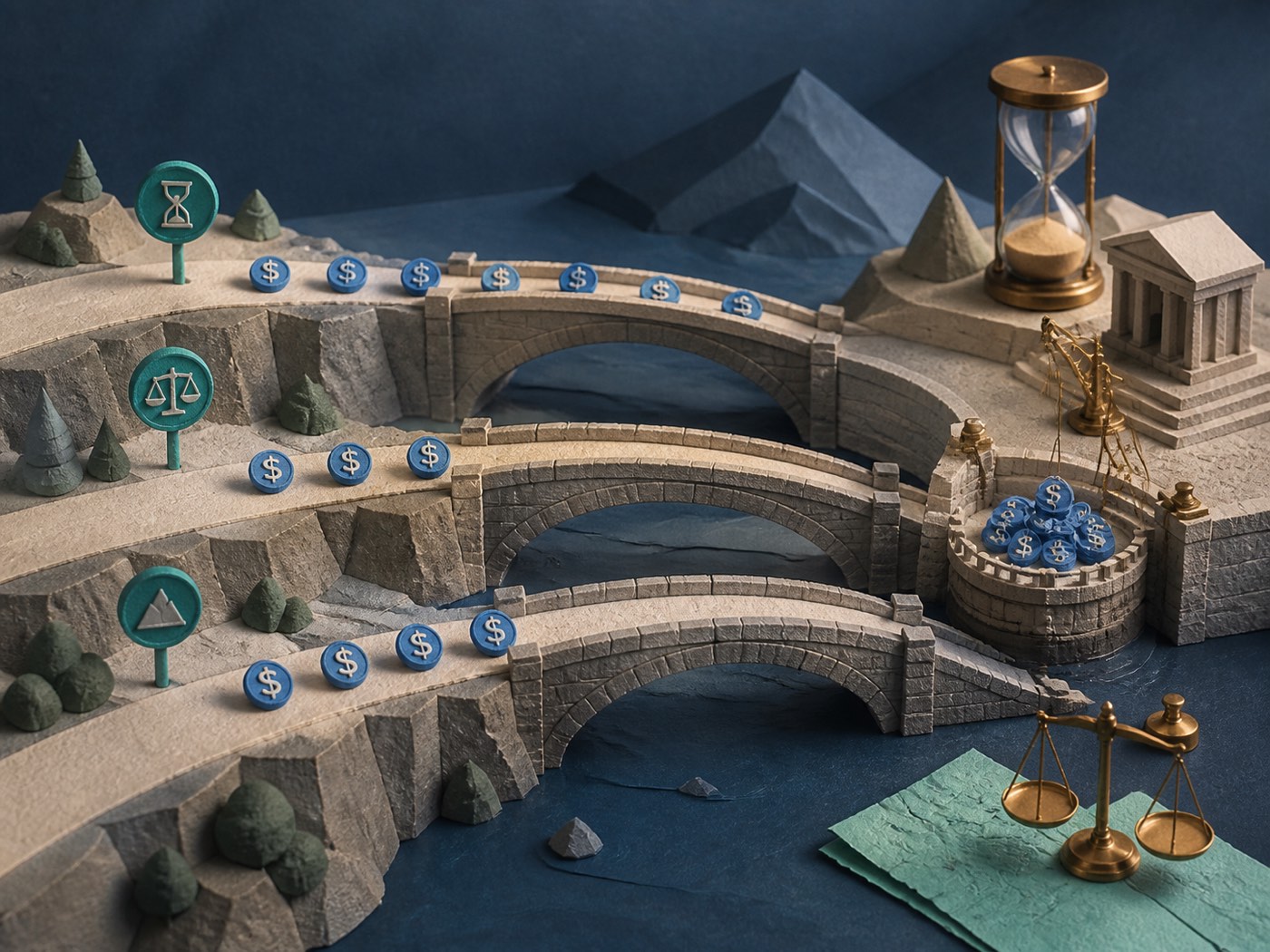
Stablecoin swaps cross several boundaries. The asset can change, the chain can change, and the party paying for execution can change. A useful quote can present these facts in a compact fee map:
- Asset identity: symbol, issuer, contract address, decimals, native or bridged status, source chain, and destination chain.
- Gas mode: native stablecoin gas, native chain gas, sponsored gas, relayer submission, or a provider-funded transfer.
- Fee payer: user wallet, relayer, bridge provider, application sponsor, or destination venue.
- Fee asset: the token deducted from the balance, the native chain asset, or the currency used by a service provider.
- Gross and net amounts: input amount, execution fees, bridge or provider charges, slippage estimate, and destination amount.
- Timing: source confirmation, bridge finality, provider submission, destination crediting, and estimated completion window.
- Fallback: the action available when a provider rejects the request, liquidity changes, or the destination becomes unavailable.
This map makes route comparison more accurate. A direct path with a visible USDC fee can beat a multi-hop path that advertises a tiny swap fee while adding a bridge charge, an extra approval, and a separate destination gas requirement.
Fee semantics affect route quality
Price impact remains important. Gas semantics add another layer to execution quality because they affect the amount that arrives and the actions a user can take next.
A trader moving USDC into a perpetual venue needs enough destination balance after every fee. A treasury operator may value a predictable provider charge and an auditable submission record. A payment user may prefer a transfer that completes in the same stablecoin without holding a separate network asset. A liquidity provider may need the exact token representation accepted by a pool.
These users can start with the same stablecoin and choose different routes. The best path depends on destination purpose, timing, liquidity, and fee responsibility. Route ranking should therefore include the user's next action alongside the swap rate.
Gas abstraction also changes support expectations. When a user pays a fee in the transferred asset, a failed destination step can affect the final amount and the retry path. When a relayer pays the network fee, the route record needs a provider status and submission reference. When a stablecoin serves as native gas, the chain's fee market and application integration still determine the execution experience.
The interface can stay focused while the routing system carries the detail. The user selects a source asset, a destination, and an amount. The quote explains the fee mode, the payer, the net output, and the expected settlement path.
OneSwap can make gas legible
Stablecoins are becoming transport assets, settlement assets, collateral, and gas assets across different environments. Each role changes the route requirements. A quote that displays only a token symbol and a final number leaves important execution facts hidden.
OneSwap helps users compare cross-asset and cross-chain paths with the source, destination, liquidity, fee map, and settlement context in view. That context lets a user choose a route that fits the next action and the available balance.
As gas models diversify, route quality will depend on clear fee semantics. Compare cross-asset execution at OneSwap.
Sources and data notes
- Circle's Gateway and Gas Station overview
- Circle's Arc mainnet announcement
- Tether's GasFree guide for Tron
- TronLink GasFree user guide
- Stablecoin and DEX activity signal from Maya
- USDC-native gas discussion from NasibLocapp
- USDC gas discussion from xizi0909
- GasFree discussion from Yulancrypto
Originally researched and drafted on August 21, 2026 using current public X activity and public source material.