The Sandbox SAND Bridge Exploit Shows Why Cross Chain Routing Needs Live Risk Signals

A cross-chain route can stay technically reachable while its token backing, liquidity, or bridge permissions change underneath it. The SAND incident on Base and BNB Smart Chain makes that risk visible in real time.
The Sandbox disclosed on August 22 that it had contained a vulnerability affecting the SAND cross-chain bridge on Base and BNB Smart Chain. The project said bridging on both networks was disabled, SAND on Ethereum and Polygon remained secure, and the impact was below 0.01% of total supply. The incident immediately became a routing problem for traders and liquidity providers because the same ticker now carried different operational conditions across networks.
The event is a useful case study for anyone moving assets across chains. A swap route depends on the health of the token deployment, the bridge that connects it, the liquidity available at the destination, and the controls that can pause or isolate a network. Those inputs can change faster than a static token list or a cached route quote.
What happened to SAND on Base and BSC
The Sandbox said an attacker created unbacked SAND on Base and BNB Smart Chain through a bridge vulnerability. The team disabled bridging to and from both networks, isolated the affected deployments, and advised users to avoid trading or providing liquidity for SAND on those networks while the response continued. SAND on Ethereum and Polygon remained outside the affected deployments, according to the project.
Security researchers described a larger face-value supply event. Blockaid and other trackers reported billions of newly minted SAND, while the market value attached to that balance reflected the price of legitimate SAND. The practical economic question is the amount of real reserve liquidity that moved before containment. That distinction matters for route analysis because a large token balance can coexist with shallow exit liquidity and a broken redemption path.
The public timeline is documented in The Sandbox's X update, The Defiant's incident report, and ChainTechDaily's summary.

A chain label describes only part of route health
Wallet interfaces often present a token, a network, a price, and a gas estimate. A safe route needs a wider view.
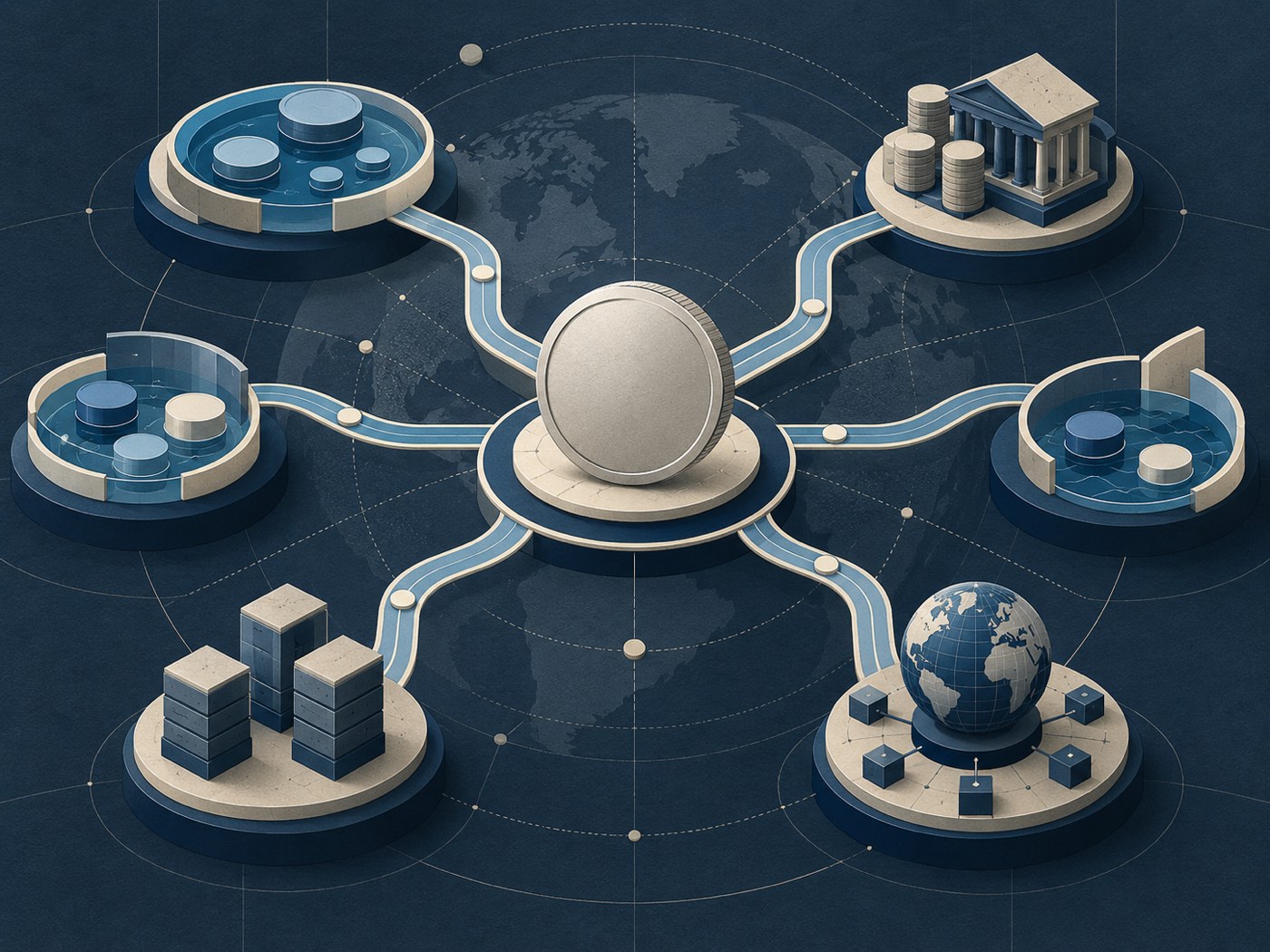
The SAND event shows why deployment-specific state matters. Ethereum SAND, Polygon SAND, Base SAND, and BNB Smart Chain SAND shared a symbol while carrying different bridge and liquidity conditions. A route engine that treats the symbol as the full identity can expose a user to a compromised pool or an isolated deployment.
The same pattern applies to wrapped stablecoins, omnichain fungible tokens, tokenized funds, and bridged versions of major assets. Network selection is part of asset selection. Contract permissions, supply changes, bridge status, and reserve visibility belong in the route context alongside price and gas.
The signals a swap route should monitor
Bridge status
The route should know whether deposits, withdrawals, minting, burning, and message delivery are active for the exact asset and network pair. A project-level pause can make one direction unavailable while other directions still appear in a generic bridge directory.
Supply and backing coherence
The route should compare minted supply, locked reserves, adapter balances, and redemption activity where those data are available. Large supply changes deserve a fresh quote and a clear review state before a user signs.
Exit liquidity
The route should measure the depth available for the output asset on the destination chain. A token can show a familiar market price while the executable pool cannot absorb a meaningful trade. Slippage and pool concentration should appear beside the quoted amount.
Permission and control changes
The route should watch delegate roles, bridge administrators, upgrade paths, emergency pauses, and recent contract events. A newly changed permission can alter the risk of a route before an asset directory updates.
Venue and exchange controls
The route should account for deposit pauses, withdrawal restrictions, and network-specific warnings from major venues. Exchange controls are useful operational signals because they can reveal a risk review before a route interface reflects it.
How route selection should change during an incident
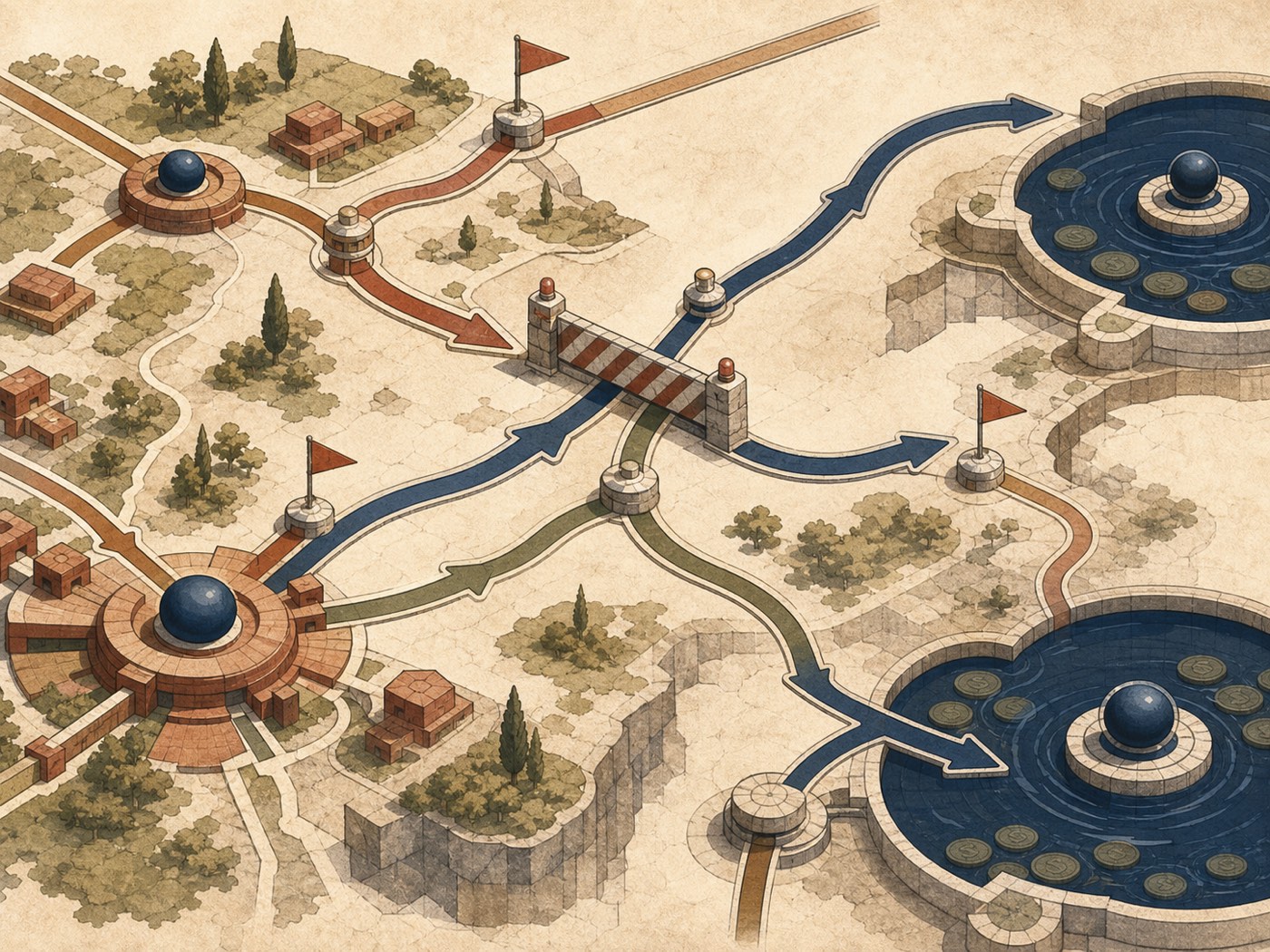
An incident response can be translated into concrete route behavior.
- Freeze quotes that include the affected deployment until the project publishes a current status.
- Re-check the token contract, bridge adapter, pool reserves, and message status for each candidate path.
- Prefer a verified native deployment or a different settlement path when it satisfies the user's asset and destination requirements.
- Recalculate price impact, gas, and execution time after removing the affected path.
- Show the reason for the route change in plain language so the user can review the decision before signing.
This approach keeps routing connected to the state of the market. It also gives liquidity providers a clearer view of where an isolated asset can still be traded and where exit conditions have changed.
Why this matters beyond SAND
Cross-chain systems convert one asset into a set of network-specific claims. The value of each claim depends on the contract that issues it, the bridge that verifies movement, the reserves that support redemption, and the venues that provide an exit. A weakness in any one layer can change the quality of a route even when the underlying chain continues producing blocks normally.
The same route risk appears in stablecoin transfers, RWA settlement, DeFi collateral, and new chain launches. New liquidity often arrives through bridges and wrappers, which makes early route monitoring especially important. Fast execution needs fresh context because the first available path can carry the highest operational uncertainty.
OneSwap turns route context into a trading input
OneSwap helps users compare cross-chain routes with execution context around networks, assets, liquidity, fees, and slippage. The SAND incident is a reminder to review the exact deployment and settlement path before signing a transaction.
Explore smoother cross-asset execution at oneswap.ai and review the route details before you confirm a swap.