Cross-Chain Quotes Need Risk Context After the Bitget Hack

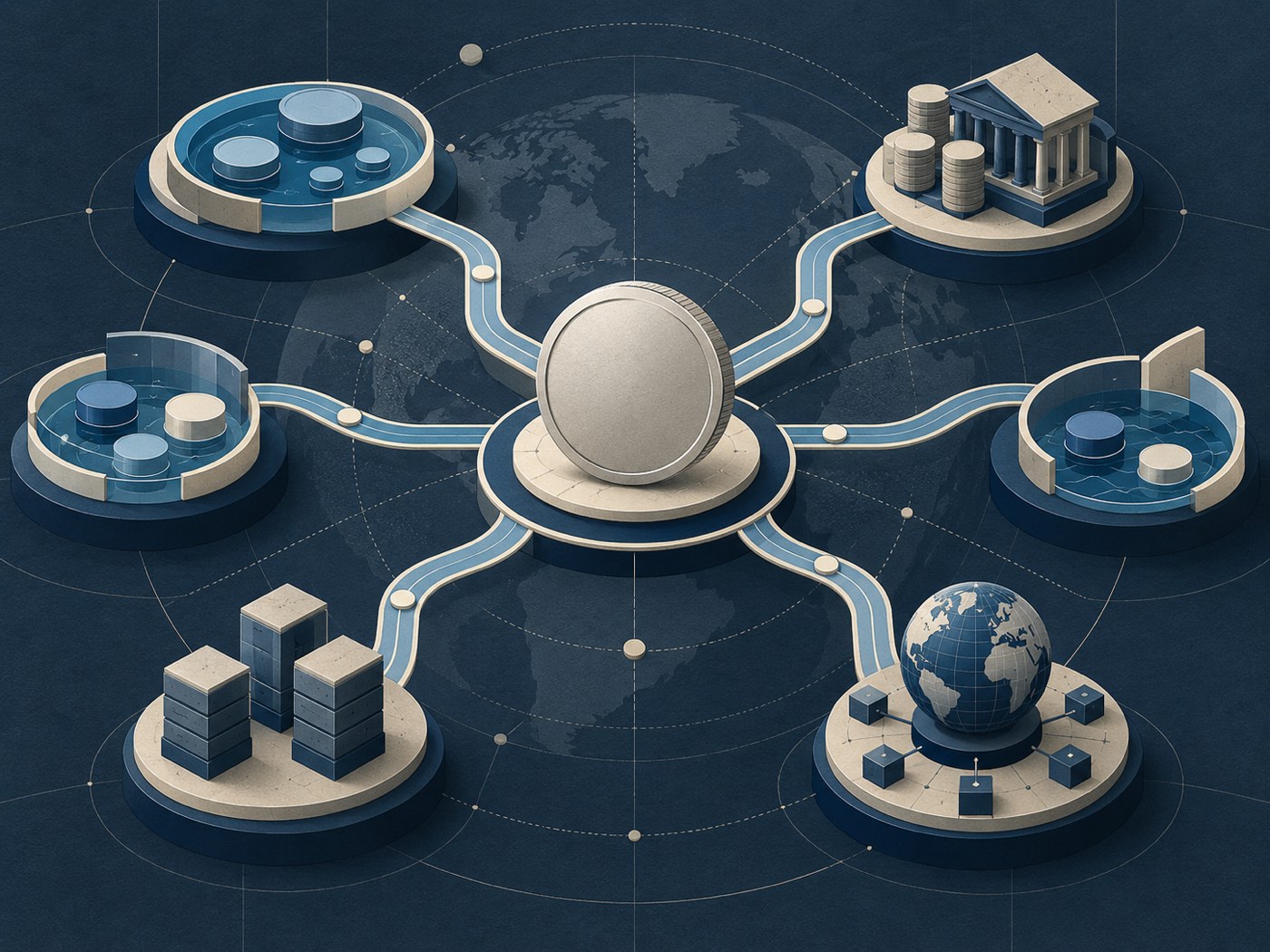
A cross-chain quote describes more than price. It also describes where value will travel, which providers will touch it, and what happens when risk signals change.
What the current signal shows
A live X search across cross-chain, bridge, routing, liquidity, hack, exploit, and risk intelligence terms surfaced a clear theme in the last 48 hours: the Bitget incident is being tracked through the systems that move assets after an exchange breach.
Futures Wire reported that suspected attackers were routing Bitget funds through CoW Protocol and Chainflip. Kenton Ralph Toews separately reported that roughly $351.6 million in unauthorized Bitget transfers were being observed around THORChain for swaps and cross-chain transfers. These posts are early signals, so they need to be read alongside primary incident updates and independent reporting.
Bitget's official incident timeline revised the estimated impact to $387.5 million and said the underlying vulnerability had been patched. CoinDesk reported that more than $50 million in attempted transfers linked to the attack reached NEAR Intents. Its SHIELD system blocked most of the attempts, froze about $503,000 during execution, and allowed about $166,000 to pass through.
The product lesson is concrete. Cross-chain security is an execution concern that can change while a quote is being prepared, filled, or settled.
A route carries execution conditions
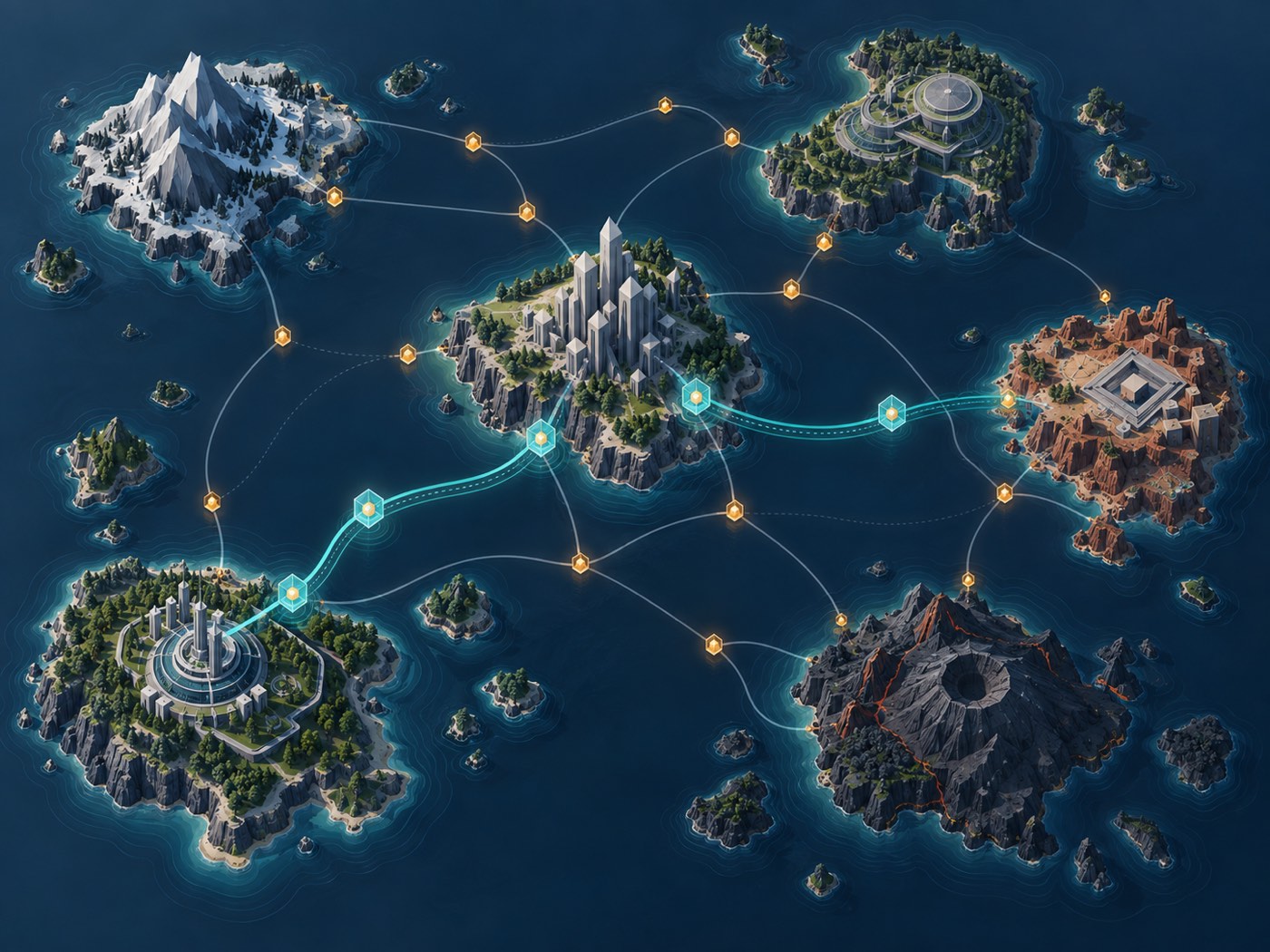
Price and gas are useful starting points. A route also carries a set of conditions that determine whether a user receives the intended asset on the intended chain.
Those conditions include the source and destination networks, the liquidity venues involved, the bridge or intent provider, the expected settlement steps, price impact, slippage, gas, quote lifetime, and the current risk state of each participant. A route that looks efficient on a price screen can become unsuitable when a provider changes policy, a wallet is flagged, or a settlement dependency stops responding.
This is especially important when an incident creates a fast-moving flow of funds. Solvers and liquidity venues may receive the same asset movement at different times. Their response can differ based on the signals available to them and the controls they operate. A user needs enough route context to understand those differences before approving a transaction.
Risk can change after the quote
A quote has a timestamp. The surrounding risk state can move after that timestamp.
The Bitget case illustrates several points in sequence. A hot wallet compromise created a large pool of assets. Attackers converted some stablecoins and tokenized assets into assets that are harder to freeze. Funds then touched multiple providers and chains. One system rejected or held suspicious flows, while another provider became part of the public debate about how permissionless infrastructure should respond.
For route builders, the practical response is to make state visible and keep execution controls close to the route. A quote should have a clear expiry. Providers should expose whether a route is available, paused, or subject to additional review. The interface should explain when a route has changed instead of silently presenting an old estimate.

A practical route-quality checklist
1. Provider context
Name the bridge, solver network, liquidity venue, or intent service that carries each leg. Route history becomes easier to investigate when the participants are visible.
2. Route state
Show whether each leg is available, delayed, paused, or awaiting a required confirmation. A single green price should never hide a blocked dependency.
3. Execution controls
Use quote expiry, slippage limits, minimum received amounts, and explicit approval boundaries. These controls keep a moving market from turning into an unexpected settlement.
4. Settlement evidence
Give users a path to transaction hashes, source and destination balances, and final status. Evidence shortens support cycles and helps teams distinguish a slow route from a failed route.
5. Clear user language
Explain why a route changed, which condition caused a pause, and what the next safe action is. Good risk communication helps users make a decision with the information available at that moment.
How OneSwap keeps route quality visible
OneSwap brings cross-chain route discovery into one interface so users can compare the path, the assets, and the execution details before they move value. The Bitget incident reinforces why route selection should include operational context alongside price and gas.
For builders, the same principle applies to every integration: expose the route, keep its state current, and preserve evidence from quote through settlement. That approach creates a clearer boundary between market movement, provider policy, and application behavior.
Explore the live cross-chain route experience at https://oneswap.ai.
Sources
- Bitget, 2026 Bitget Security Incident official timeline: https://www.bitget.com/campaigns/bitget-security-incident-2026
- CoinDesk, NEAR Intents and the Bitget hacker swaps: https://www.coindesk.com/tech/2026/09/29/usd50-million-in-bitget-hacker-swaps-puts-near-intents-permissionless-claim-to-the-test
- X search signal from Futures Wire: https://x.com/FuturesWire/status/2105134758254547339
- X search signal from Kenton Ralph Toews: https://x.com/KentonC137/status/2105134103687524444