
Cross-Chain Quotes Need Risk Context After the Bitget Hack
The Bitget incident shows why cross-chain execution needs risk context, route controls, and settlement evidence beside price and gas.

The Bitget incident shows why cross-chain execution needs risk context, route controls, and settlement evidence beside price and gas.

Injective's Stockdrop and Robinhood Chain's Stock Token infrastructure show why cross-chain routes need asset identity, liquidity, eligibility, and settlement evidence beside the rate.

The SEC's new Innovation Exemption and fresh DeFi liquidity data move tokenized stocks toward live market infrastructure, where routes, liquidity, and settlement evidence carry the user experience.

Spark's shared stablecoin FX layer shows why a cross-chain route needs issuer, venue, liquidity, eligibility, fee, and settlement context beside the rate.

Robinhood Chain's $25B DEX milestone and $1.5B stock-token update show why route quality now depends on live asset, liquidity, venue, and gas context.

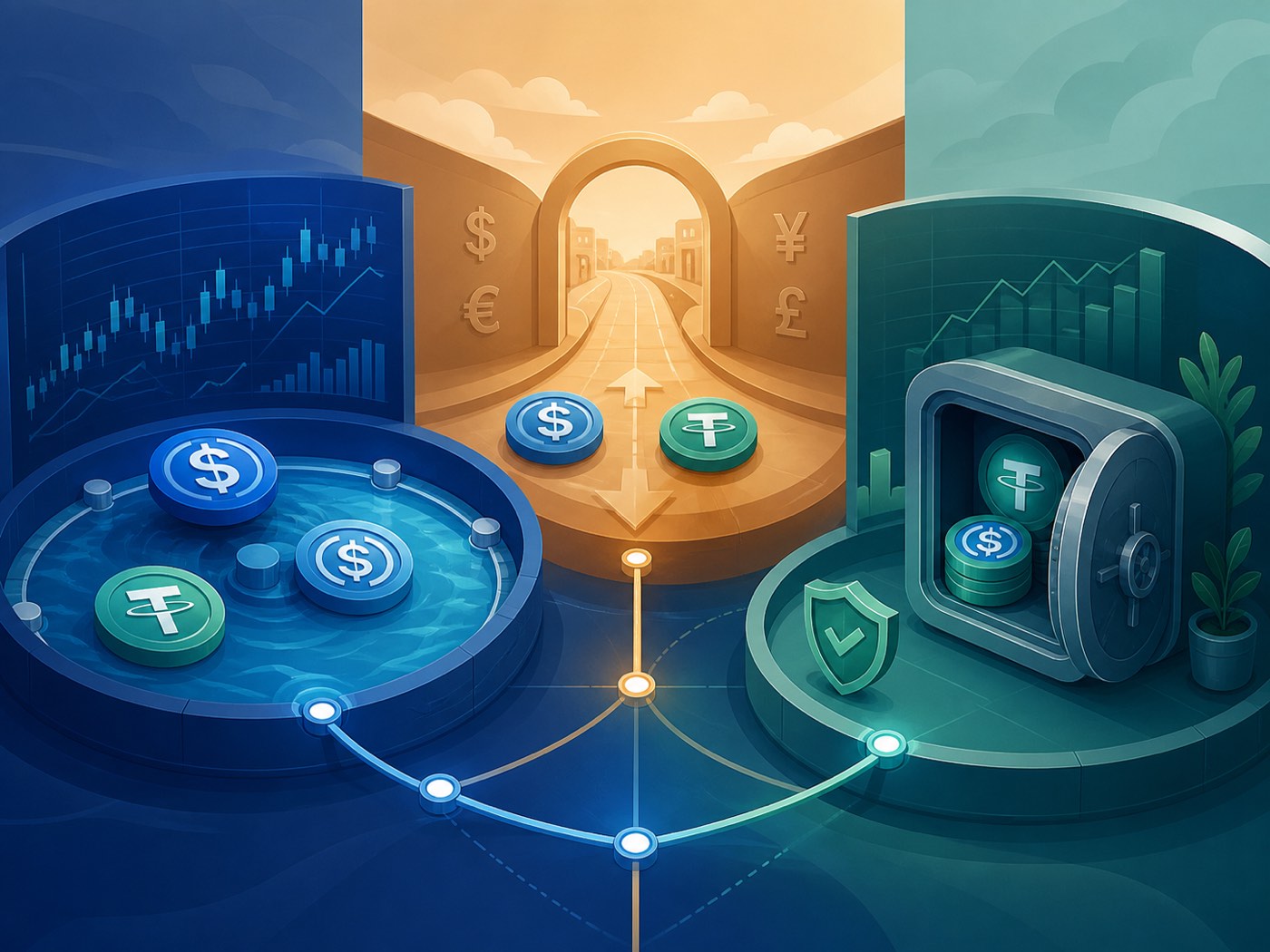
Stablecoins are becoming different products on different chains. The token, network, venue, and user intent now shape the route and the outcome a user receives.

Robinhood Chain is attracting liquidity across crypto, stablecoin, and tokenized-asset markets. Its bridge options and fragmented liquidity show why swap quotes need exact asset identity, timing, fees, and destination context.

Recent activity signals around Robinhood Chain point to a fast-growing market surface. As transaction volume and tokenized assets expand, users need a route layer that explains liquidity, bridge timing, and the asset they receive.

Uniswap's new Pools launchpad gives Robinhood Chain a fast token-creation surface. The next challenge is keeping liquidity discoverable, tradable, and routeable after the launch moment.