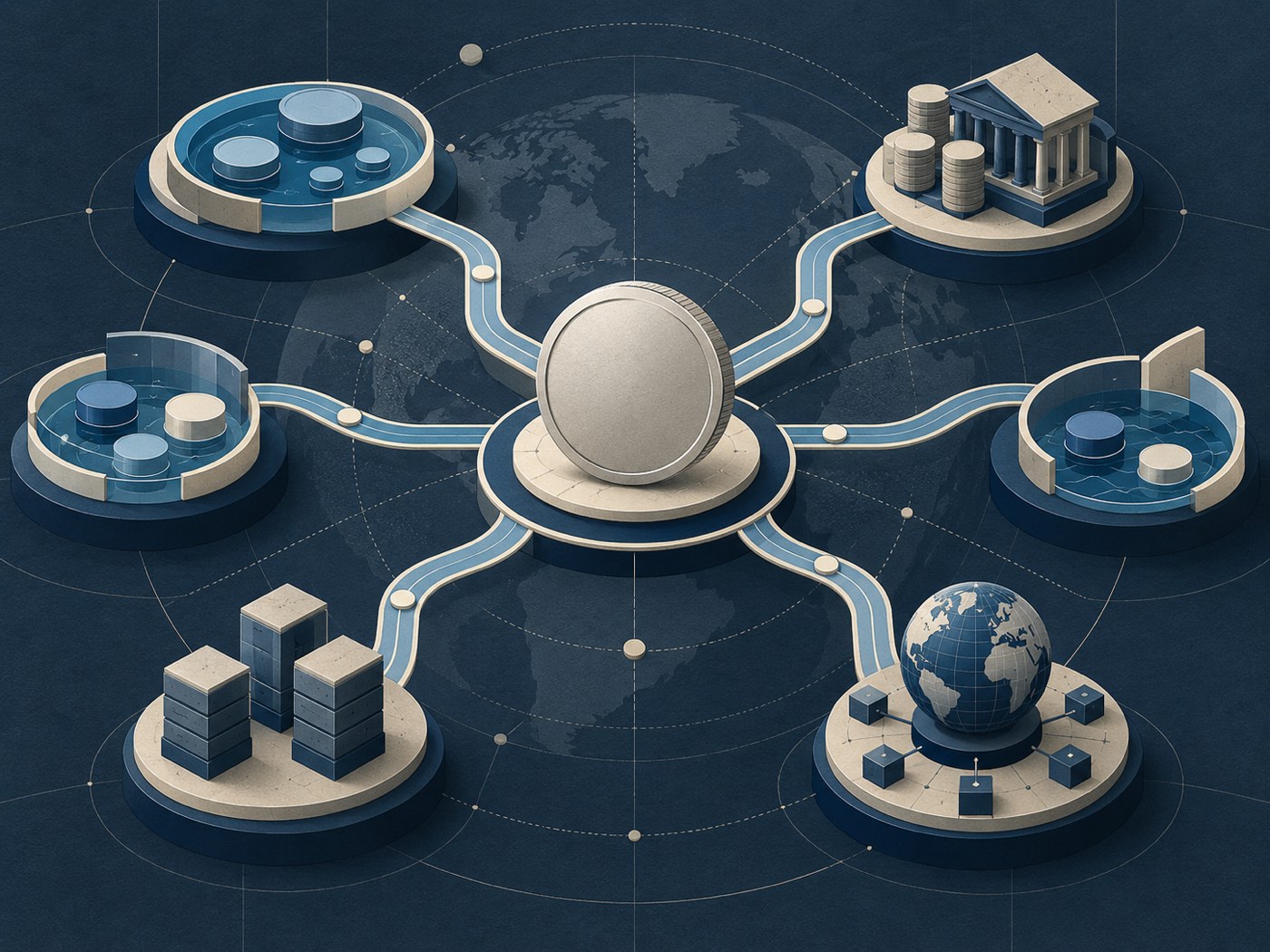
Robinhood Chain's Transaction Surge Puts Route Quality in Focus
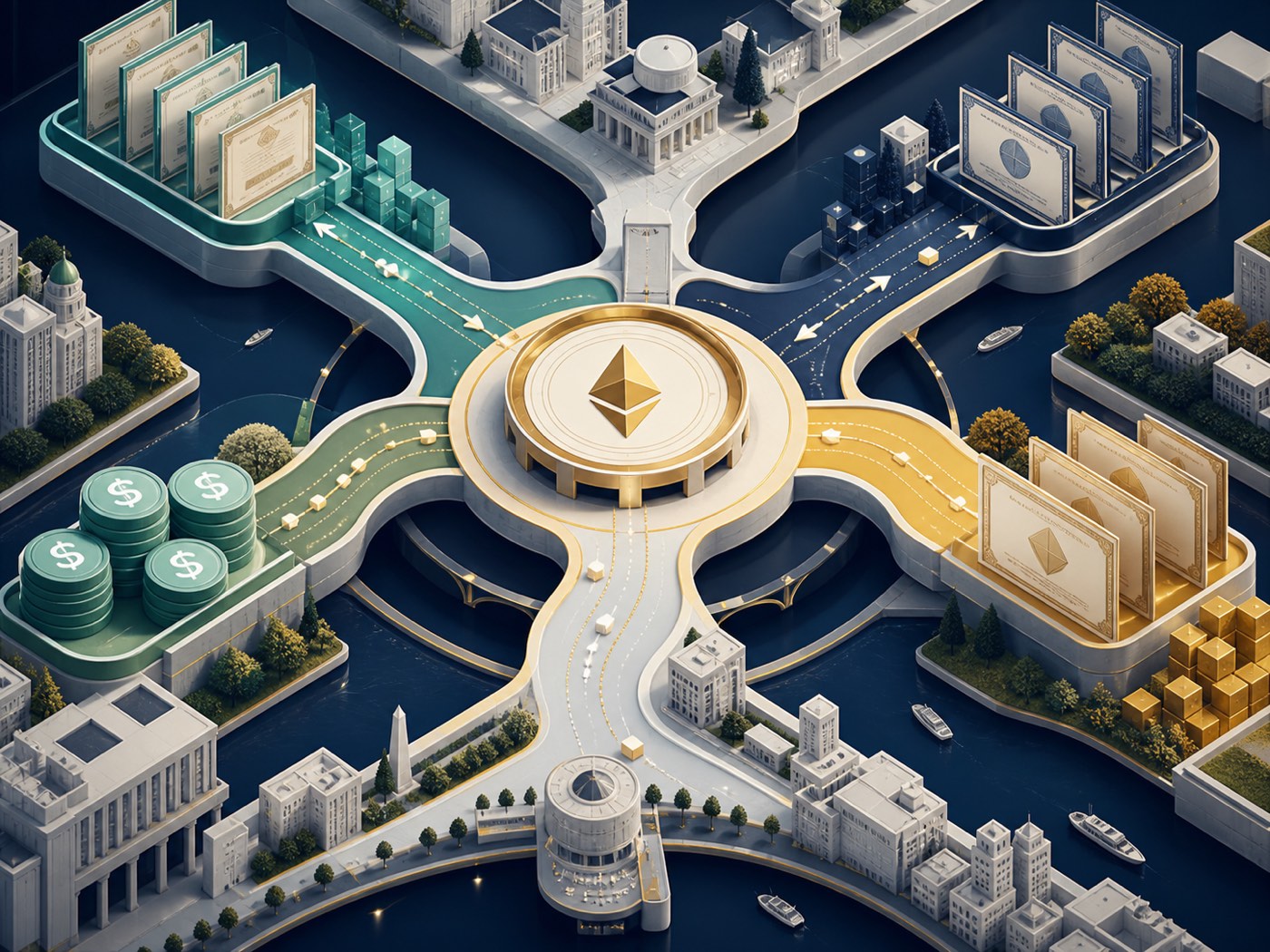
When a chain handles millions of daily transactions, the route behind each swap becomes part of the product.
Recent X signals are putting Robinhood Chain at the center of the latest Ethereum scaling and tokenization conversation. CoinMarketCap reported that the network averaged a record 11.6 million daily transactions last week. Ethereum Daily highlighted Robinhood Chain as the largest recent L2 contributor to Ethereum fees in its cited seven-day comparison. Another CoinMarketCap update pointed to a broader tokenization ambition that could reach private companies, art, collectibles, and real estate.
The numbers are market snapshots from public posts. They still point to a useful product question: what should a user see before moving value through a chain that combines tokenized assets, DEX liquidity, lending, stablecoins, and cross-chain bridges?
Robinhood Chain's transaction growth increases the value of a route layer that explains where liquidity sits, how an asset moves, what the user receives, and how long the full path takes.
Robinhood Chain Is Building A Financial Market Surface
Robinhood's mainnet announcement describes Robinhood Chain as a public Layer 2 built with the Arbitrum Platform. The announcement connects the network to tokenized stocks, DeFi products, agentic trading, and a broader financial-services vision.
The Robinhood Chain documentation gives that vision a technical shape. The network is an Ethereum-compatible Layer 2 designed for tokenized equities, ETFs, private assets, and other financial instruments. Its ecosystem page lists public DEX liquidity, lending, perpetuals, stablecoin infrastructure, cross-chain messaging, oracles, custody, and analytics.
That combination creates a larger market surface than a single swap venue. A user can acquire a stablecoin, bridge it to Robinhood Chain, trade into a tokenized asset, use the asset in a DeFi market, and later move the proceeds to another network. Each step adds a route decision.
The chain uses ETH for gas and identifies its mainnet with chain ID 4663, according to the network connection guide. Those details matter when a wallet or routing service selects the correct network and prepares the transaction.
Transaction Growth Carries Three Routing Questions
Transaction count measures activity across the network. It does not describe the outcome of a specific swap. A route-aware interface has to answer three additional questions.
Where does the liquidity come from?
A high-activity chain can contain deep pools, shallow pools, order-flow incentives, lending markets, and specialized market makers at the same time. The best venue for one asset pair can change with trade size, time, and pool state.
The user needs a quote that names the venue or venues supplying the route. That context helps separate a headline price from the amount that can actually be executed.
What asset is moving?
Tokenized instruments and stablecoins require exact contract identity. A ticker can appear on several networks while each contract carries different decimals, transfer rules, issuers, and liquidity. Robinhood's documentation also notes that a bridged ERC-20 has a different contract address on Robinhood Chain from its Ethereum representation.
The route needs to preserve the asset contract and chain through every step. That record protects the user from confusing a native asset with a bridged representation that has a different market and settlement path.
Where does the value end up?
A user can ask for ETH on Robinhood Chain, a stablecoin on Ethereum, or a tokenized asset in a lending market. The destination determines the acceptable route, fees, bridge method, and timing.
The quote should make the final asset and destination chain visible before the user signs. A route that completes the swap while leaving the user with an inconvenient asset creates extra work and extra execution risk.

The Bridge Is Part Of The Swap Experience
Robinhood Chain's bridging documentation lists several ways to move funds. The Arbitrum canonical bridge supports trustless Ethereum to Robinhood Chain transfers, with deposits that typically confirm in about 10 minutes. A withdrawal follows a seven-day challenge period and a final Ethereum transaction.
Partner routes use different models. LayerZero and Stargate support messaging and omnichain token transfers. Chainlink CCIP and Transporter combine messaging with token movement. Relay and Across use intents-based liquidity for transfers that can complete in seconds. LiFi and 0x can combine cross-chain movement with a swap in one flow.
These routes can serve different user goals. The canonical bridge offers a direct protocol path with a longer exit timeline. An intents-based route can offer a faster result while relying on available liquidity and a separate settlement model. A bridge-and-swap route can reduce manual steps while adding more execution stages to the quote.
The useful comparison therefore includes:
- bridge method and source chain
- destination chain and final asset
- expected time for each stage
- bridge and relayer fees
- swap venue and pool depth
- price impact at the requested size
- fallback behavior when liquidity changes
Putting these fields beside the received amount gives the user a practical decision surface.
RWA Growth Makes Asset Identity More Important
Robinhood Chain's product direction places tokenized real-world assets close to the center of the network. Stock tokens and ETFs create a familiar market reference, while future tokenization plans can extend the asset set into private companies, collectibles, and real estate.
Each category brings its own transfer and settlement conditions. A tokenized equity can have eligibility rules. A private asset can use a limited transfer registry. A stablecoin pair can have separate issuer and reserve assumptions. A DeFi wrapper can introduce a new contract and redemption process.
Users still expect a simple action. They want to choose an asset, compare a route, and receive the intended result. The route engine has to keep the detailed identity and eligibility data underneath that simple flow.
This is where a chain-aware quote becomes valuable. It can show the exact token contract, the network, the available venue, the settlement asset, and the next usable action. The user can make a decision with the same context that the execution system uses.
Liquidity Has To Follow The User
Robinhood Chain's ecosystem list includes Uniswap as a public DEX, Morpho for lending, several perpetual venues, USDG stablecoin infrastructure, and cross-chain services. Each integration expands the set of possible actions and the number of paths between a source balance and a destination position.
Liquidity can be distributed across several venues while the user's intent remains singular. Someone may want to turn ETH into a tokenized asset, borrow against it, or move the proceeds into a stablecoin on another chain. The route layer has to compare venues and stages around that intent.
A strong route result should display the full path:
- Source asset, source chain, and wallet balance.
- Swap venue, pool or market, and expected price impact.
- Bridge or messaging step with its timing and fee assumptions.
- Destination asset, destination chain, and final received amount.
- Transaction state, confirmation progress, and available next action.
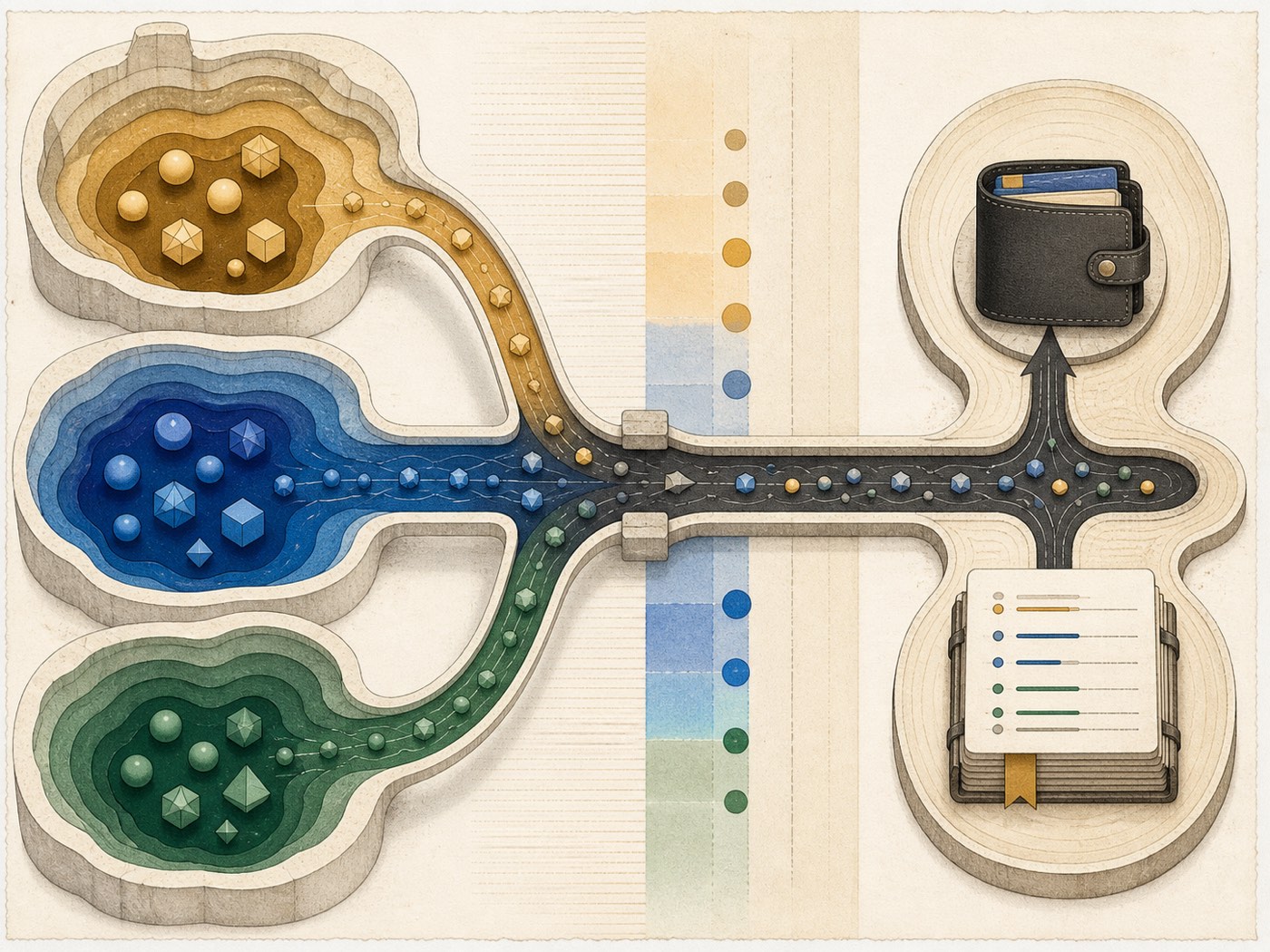
The display can remain compact. The important change is that the quote treats the complete path as the unit of execution.
What A Route-Aware Quote Should Show
Robinhood Chain's growth makes six fields especially useful for a cross-chain swap quote.
1. Exact asset identity
Show the issuer, token contract, decimals, native or bridged status, and chain for every asset in the path.
2. Net received amount
Show the amount after pool fees, gas, bridge costs, relayer charges, and expected price impact. The user needs the result that reaches the destination.
3. Liquidity source
Name the pool, DEX, market maker, or intent solver that supplies each stage. Include the depth relevant to the requested size.
4. Timing by stage
Separate swap confirmation, bridge processing, destination execution, and final settlement. A single total estimate can hide the stage that controls the user experience.
5. Destination and next action
Show where the final asset lands and what the user can do next. The destination may be a wallet, a stablecoin balance, a lending position, or another trading venue.
6. Route health
Show quote expiry, slippage, fallback status, and the conditions that trigger a re-quote. A route that has moved outside its assumptions should return a fresh result before execution.
These fields give users a readable path while giving the execution system a structured record of the decision.
Why This Matters For OneSwap Users
Robinhood Chain is adding a high-activity network to the expanding set of chains where users can trade, hold, bridge, and compose financial assets. Current market signals around transaction volume, Ethereum settlement fees, and broader tokenization plans show why the route problem deserves a clear interface.
OneSwap helps users compare cross-chain swap paths across assets, chains, and liquidity sources. The same route view can make a Robinhood Chain trade easier to understand before capital moves. Users can compare net output, venue depth, bridge timing, asset identity, and destination in one decision.
As tokenized markets and DeFi venues continue to grow, route quality will shape how much of that activity becomes usable liquidity. Explore clearer cross-chain swaps at OneSwap.ai.